
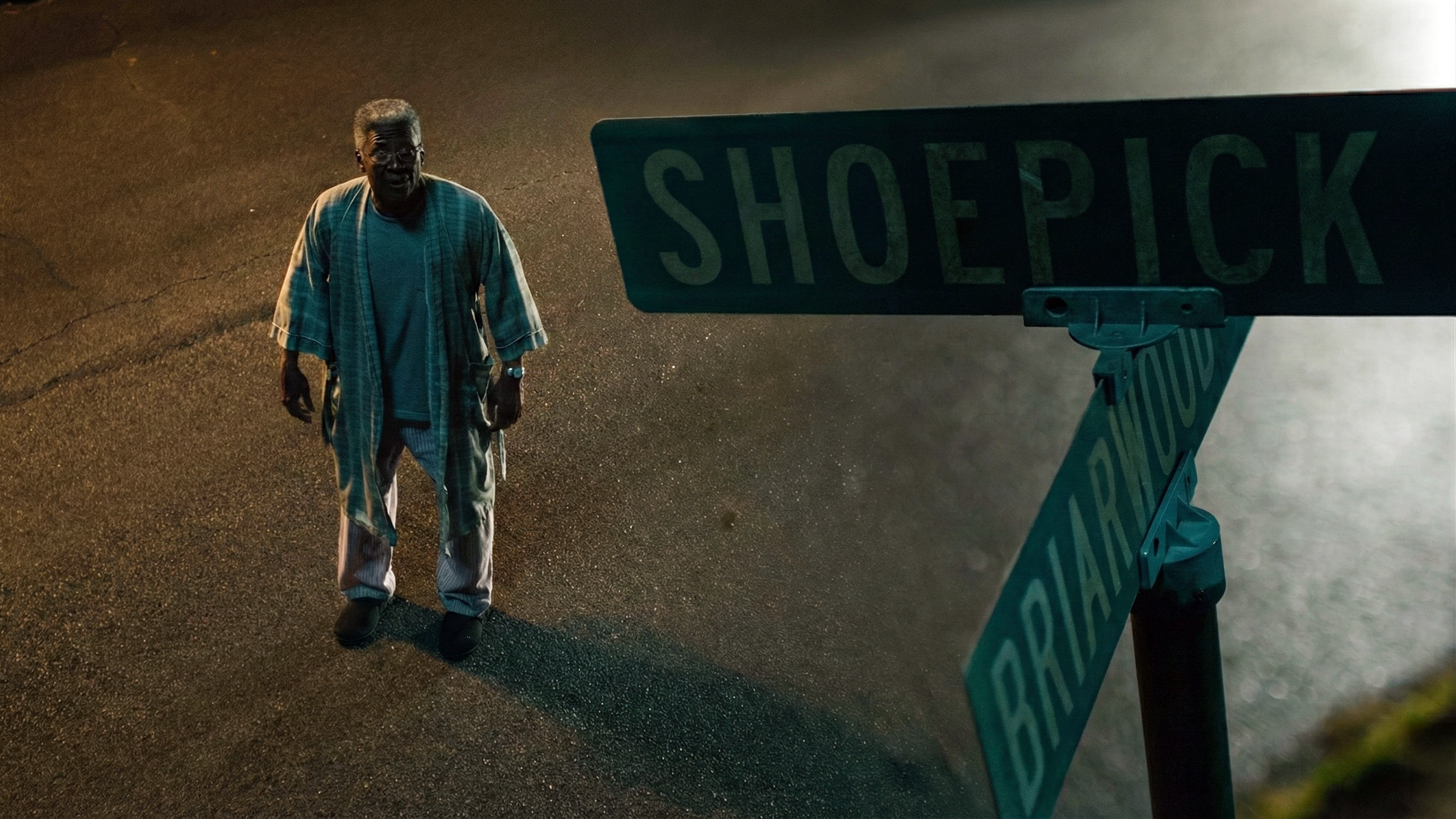
TRUE DETECTIVE: SEASON 3 | HBO
MULTI-DECADE PERIOD RECONSTRUCTION
TRUE DETECTIVE: SEASON 3: For Season 3, the challenge was the visual reconstruction of a fictional Arkansas town across three distinct timelines (1980, 1990, 2015). This role required a dual focus: high-level world-building to ground the narrative, and rigorous project management to execute hundreds of period-accurate assets.
My focus was the 'invisible' infrastructure of the town—public signage, retail environments, and institutional branding—designed to feel historically grounded and indistinguishable from reality. I coordinated directly with Art Direction, Construction, Wardrobe, Picture Cars, Set Decoration and Legal to ensure visual continuity across decades, managing the fabrication of elements that functioned not just as props, but as architectural textures.
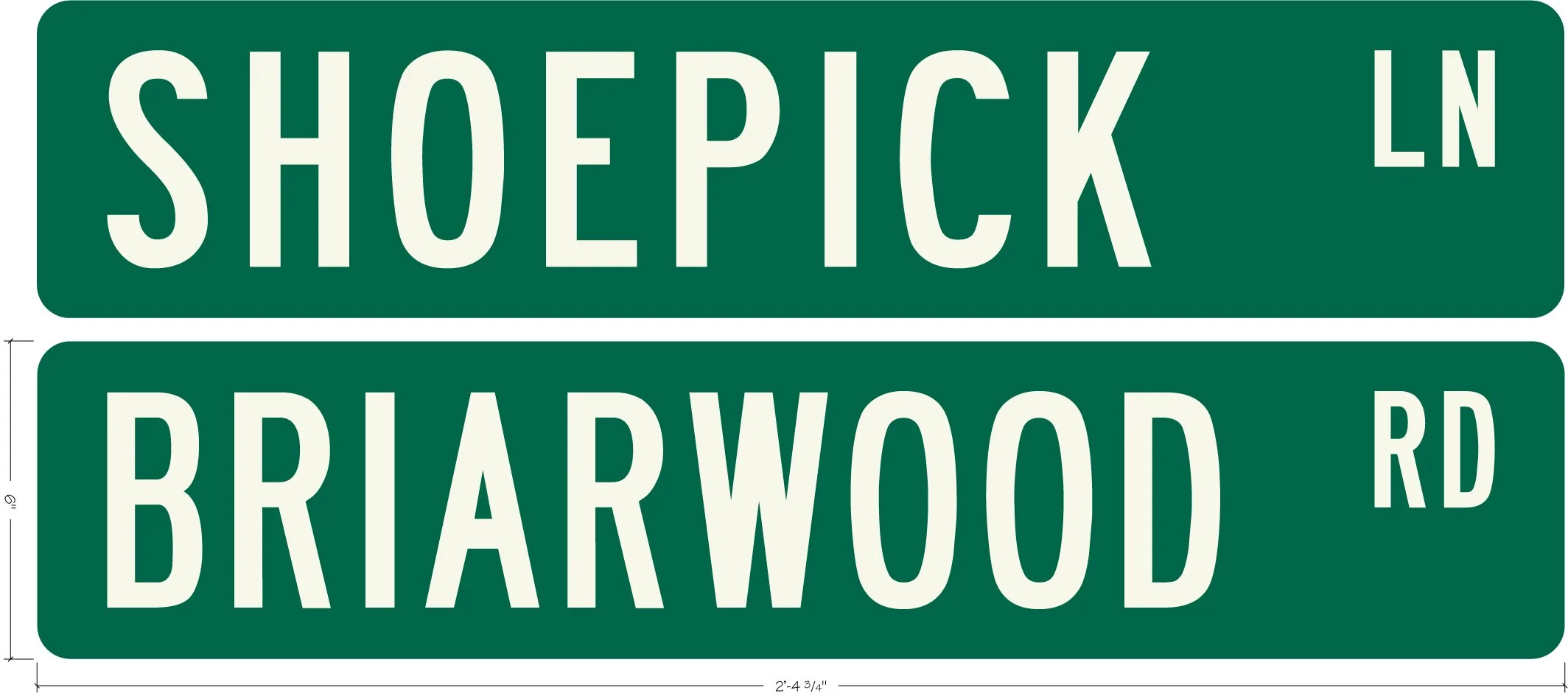
RESEARCH & REGIONAL ACCURACY: The series opens with a strong sense of geography. Street names, town boundaries, and wayfinding elements needed to feel specific enough to anchor the story, while remaining fictional and legally clear.
I designed street signs, maps, signage and town identifiers that could hold up to close camera scrutiny while still reading instantly in wide shots. These elements weren’t treated as props, construction elements, or set dressing — they were treated as infrastructure. If the town didn’t feel coherent, nothing else would.
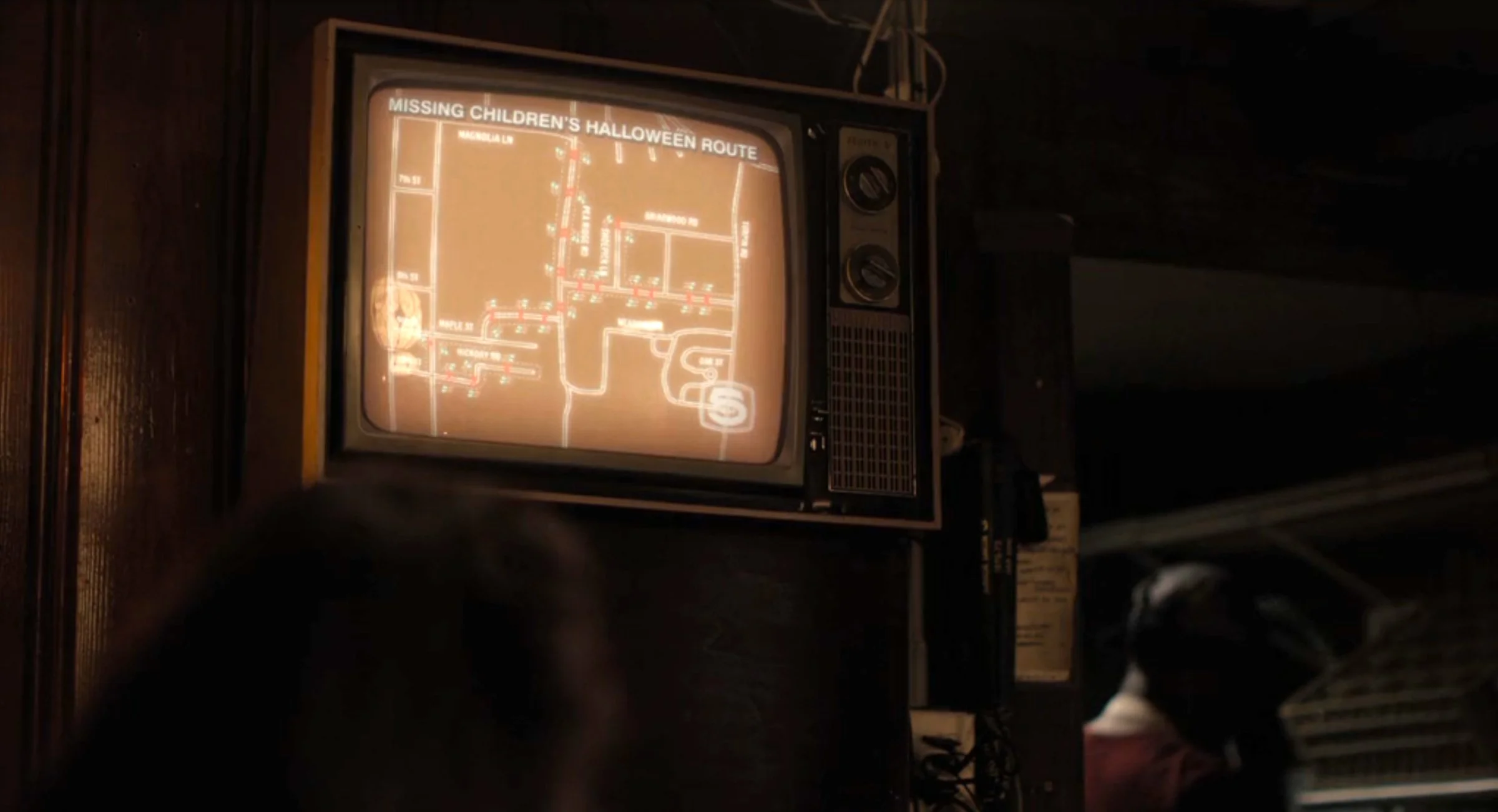
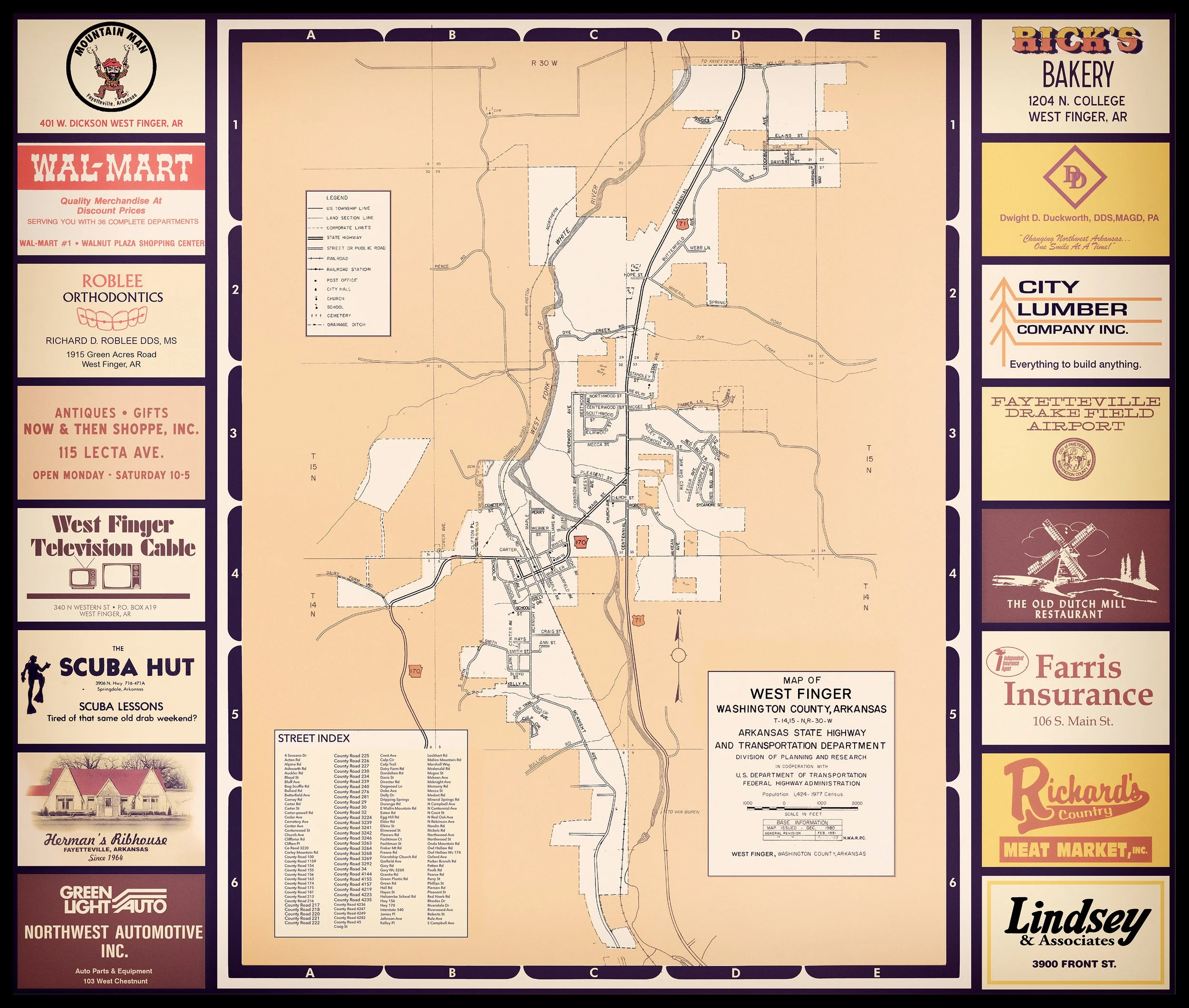
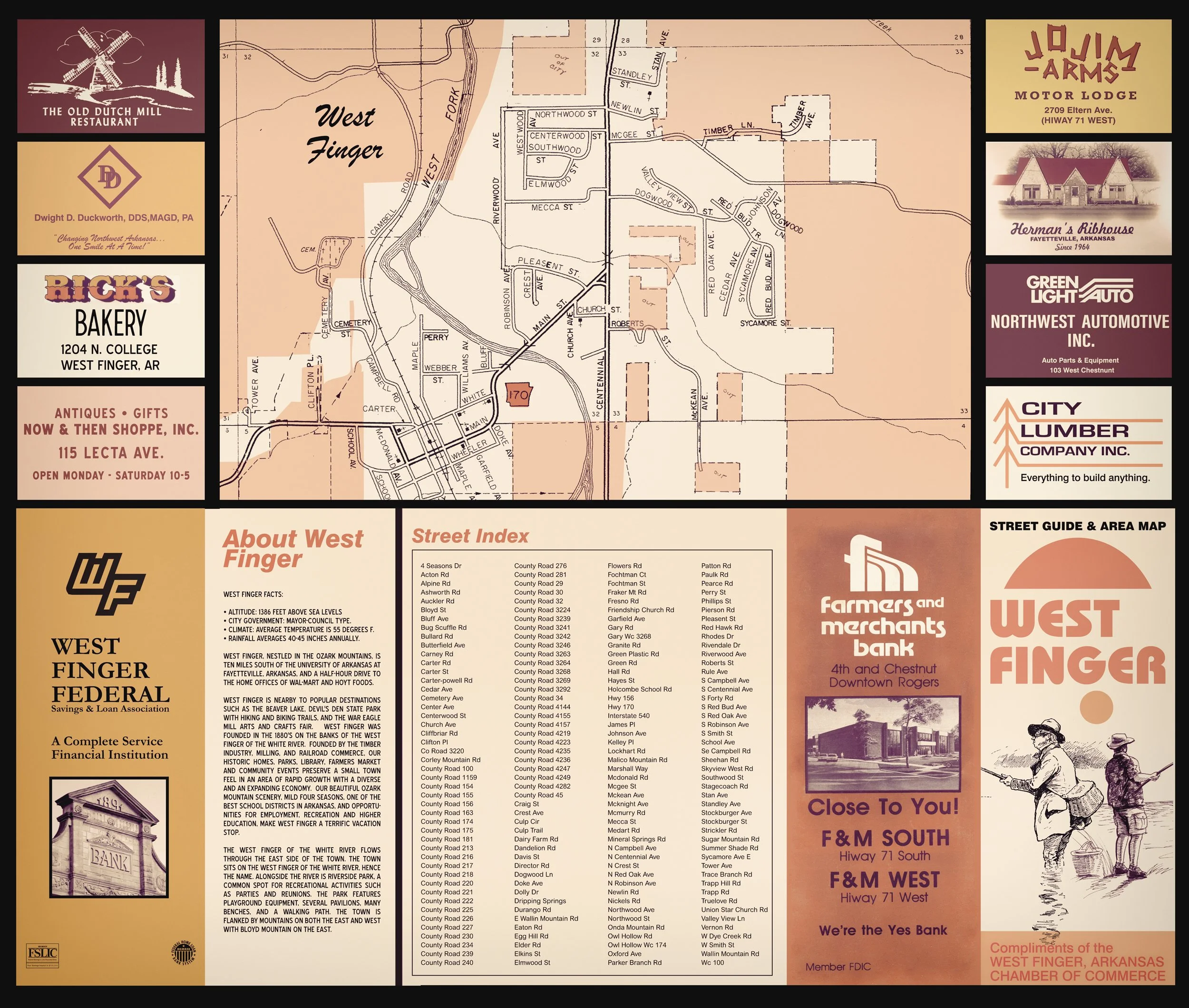
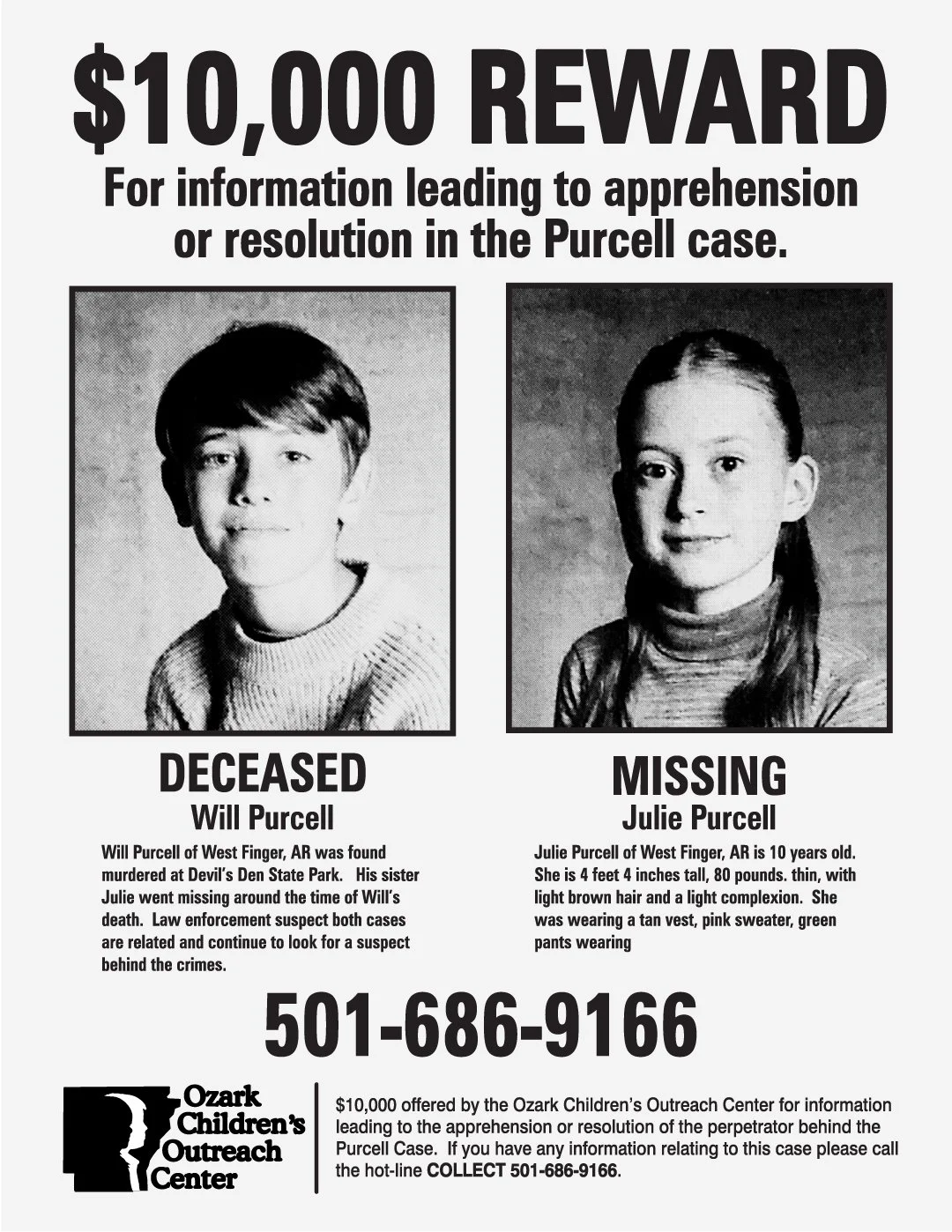
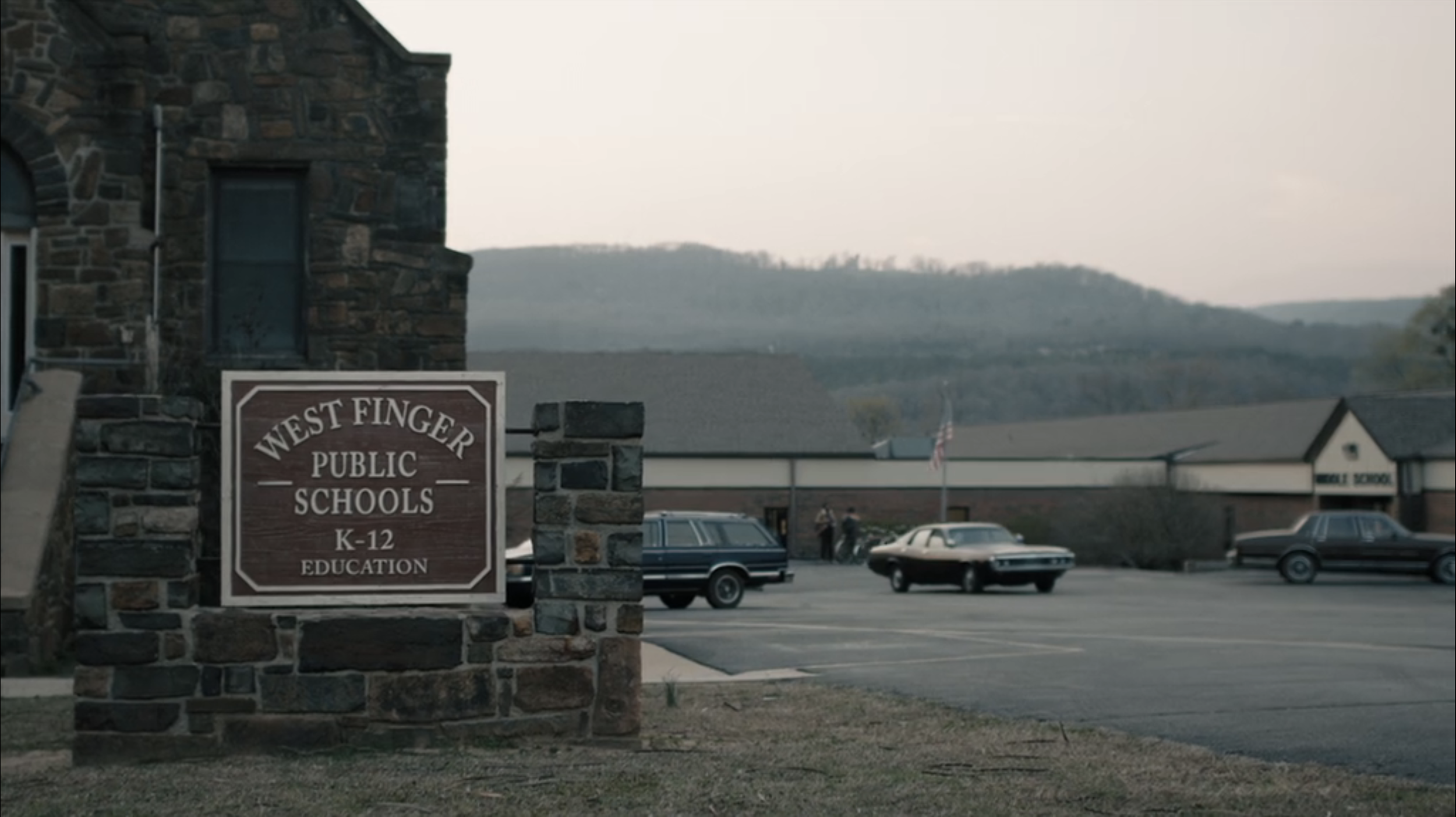
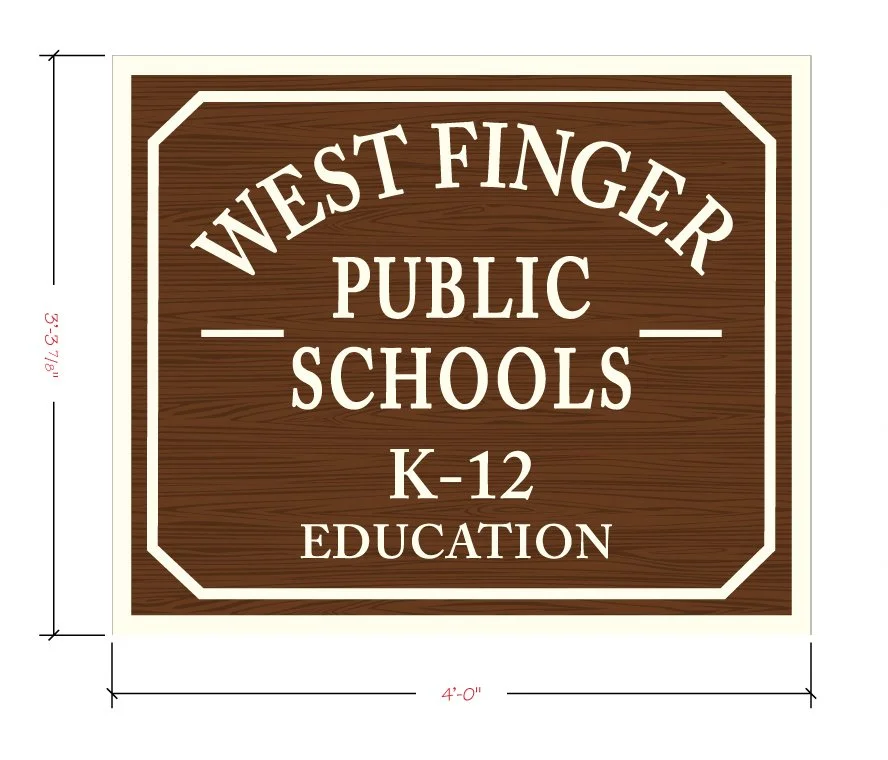
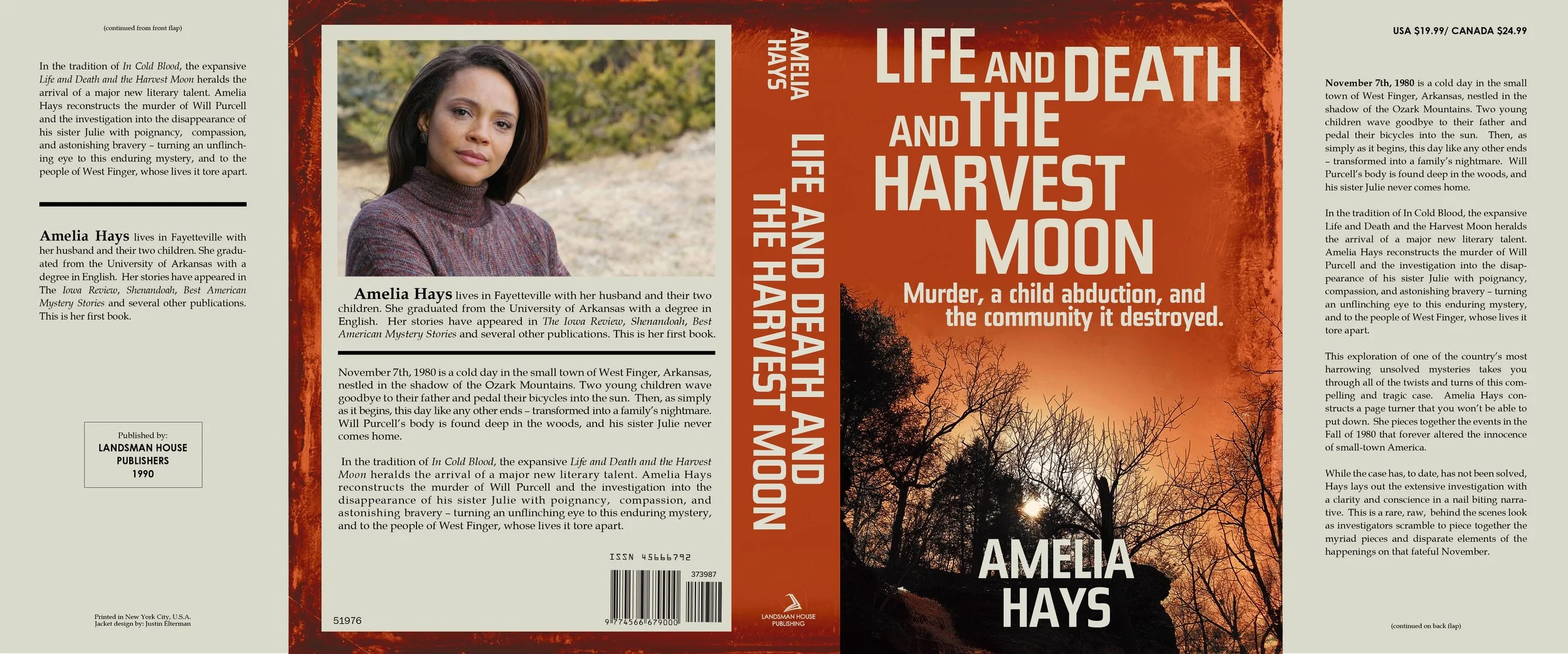
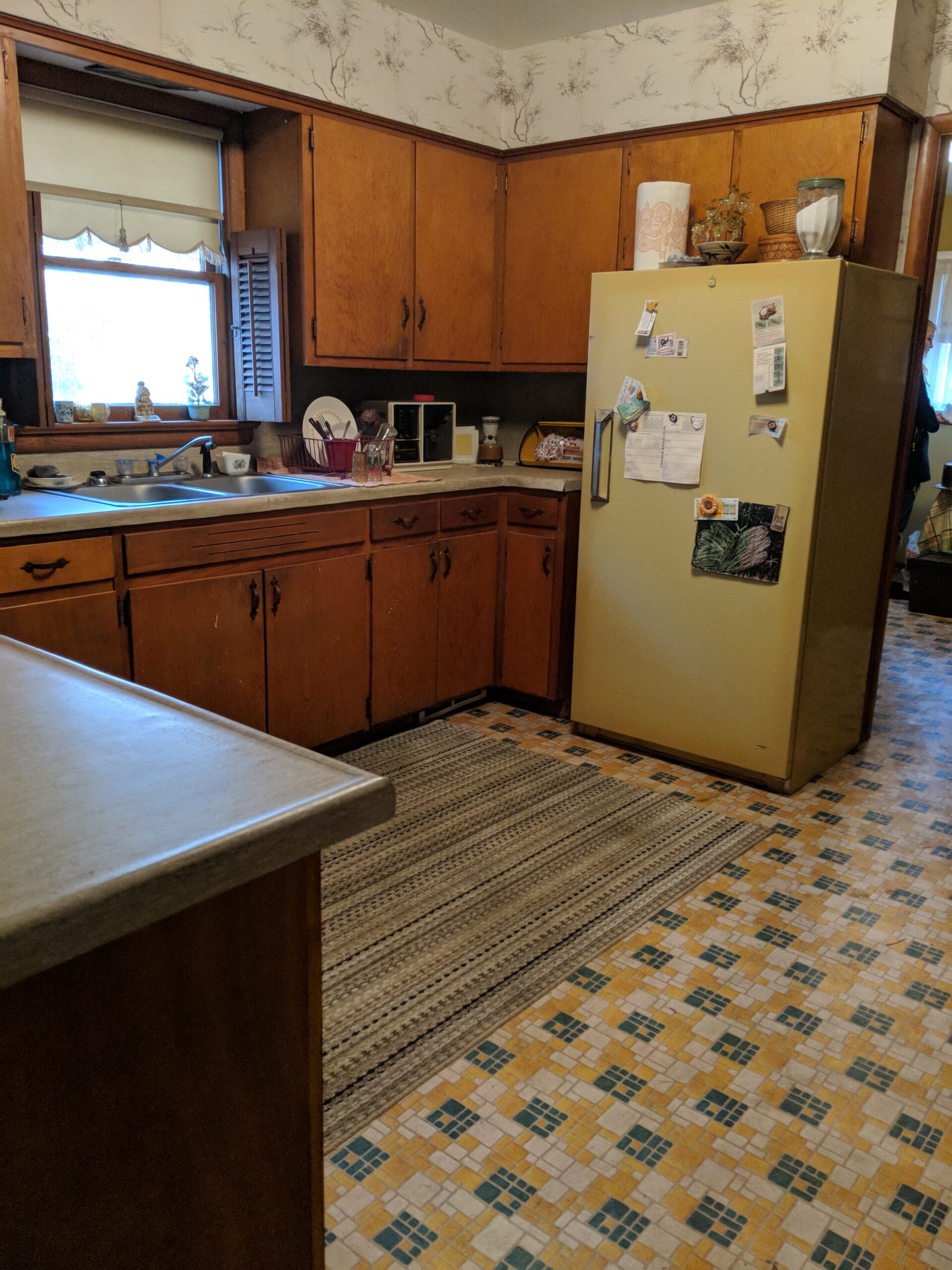
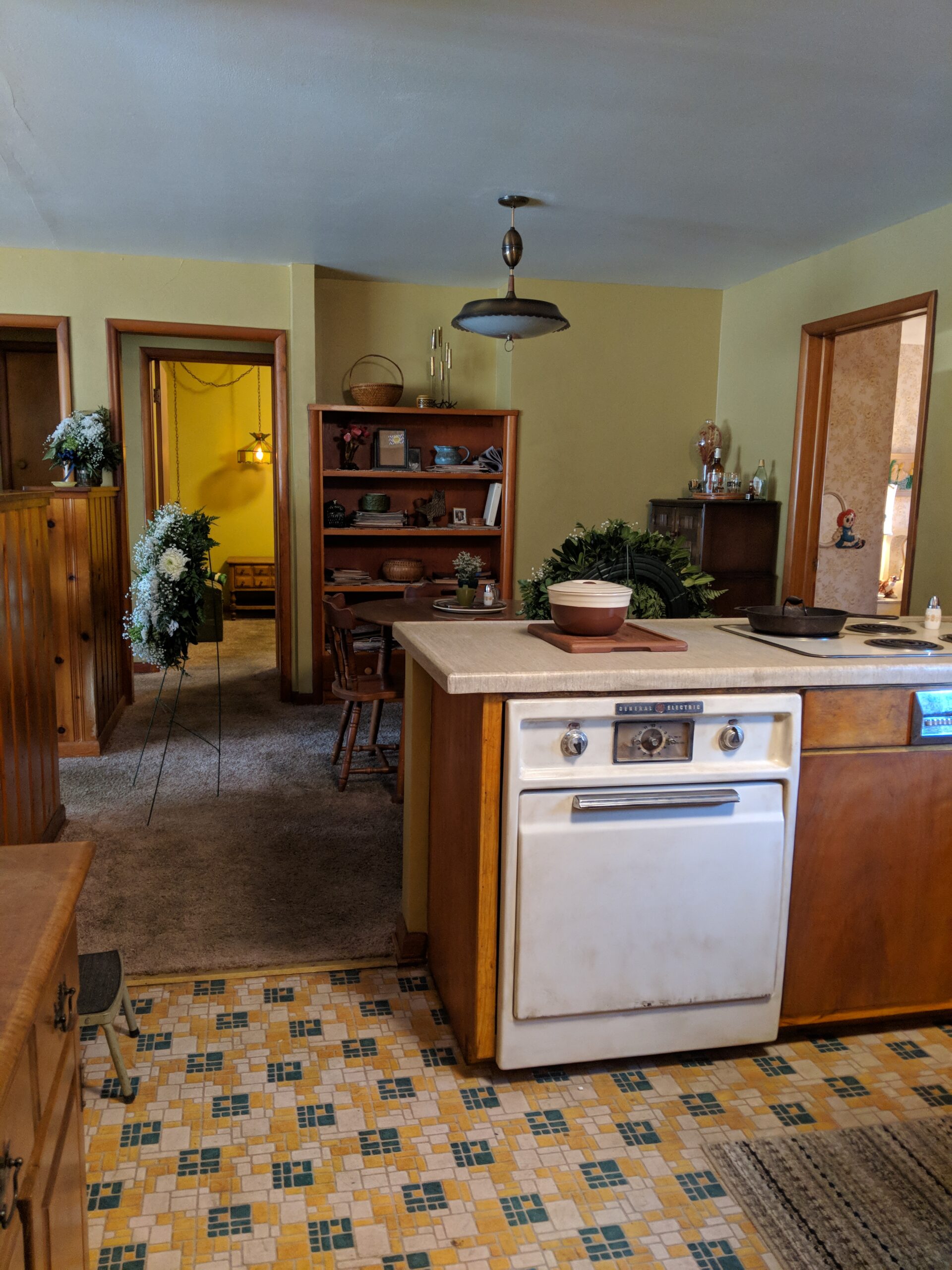
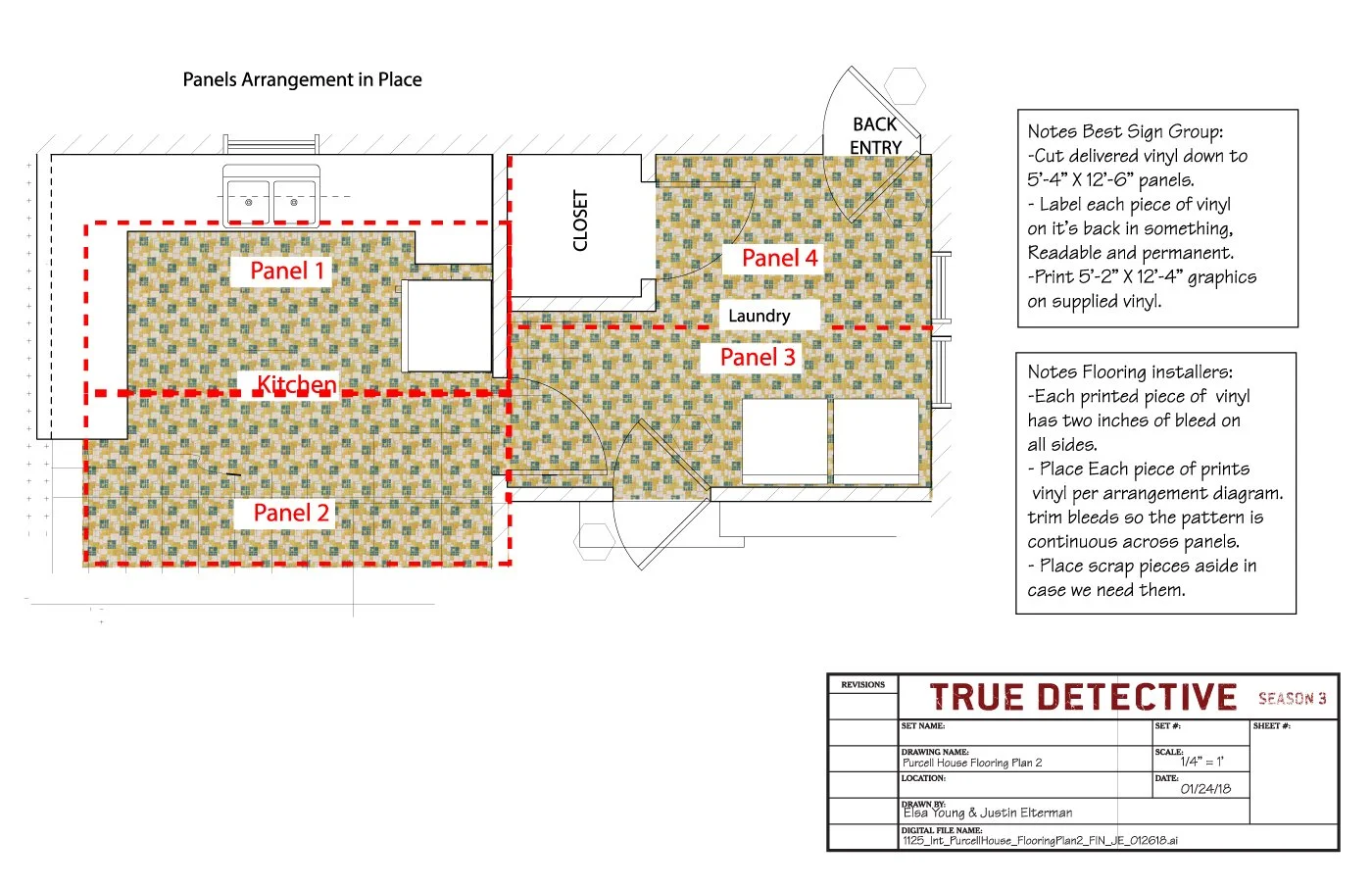
NARRATIVE ARTIFACTS: Select interior details were treated as narrative artifacts — objects that carry story weight despite their ordinariness. Accuracy and restraint were prioritized so these elements felt discovered rather than staged.
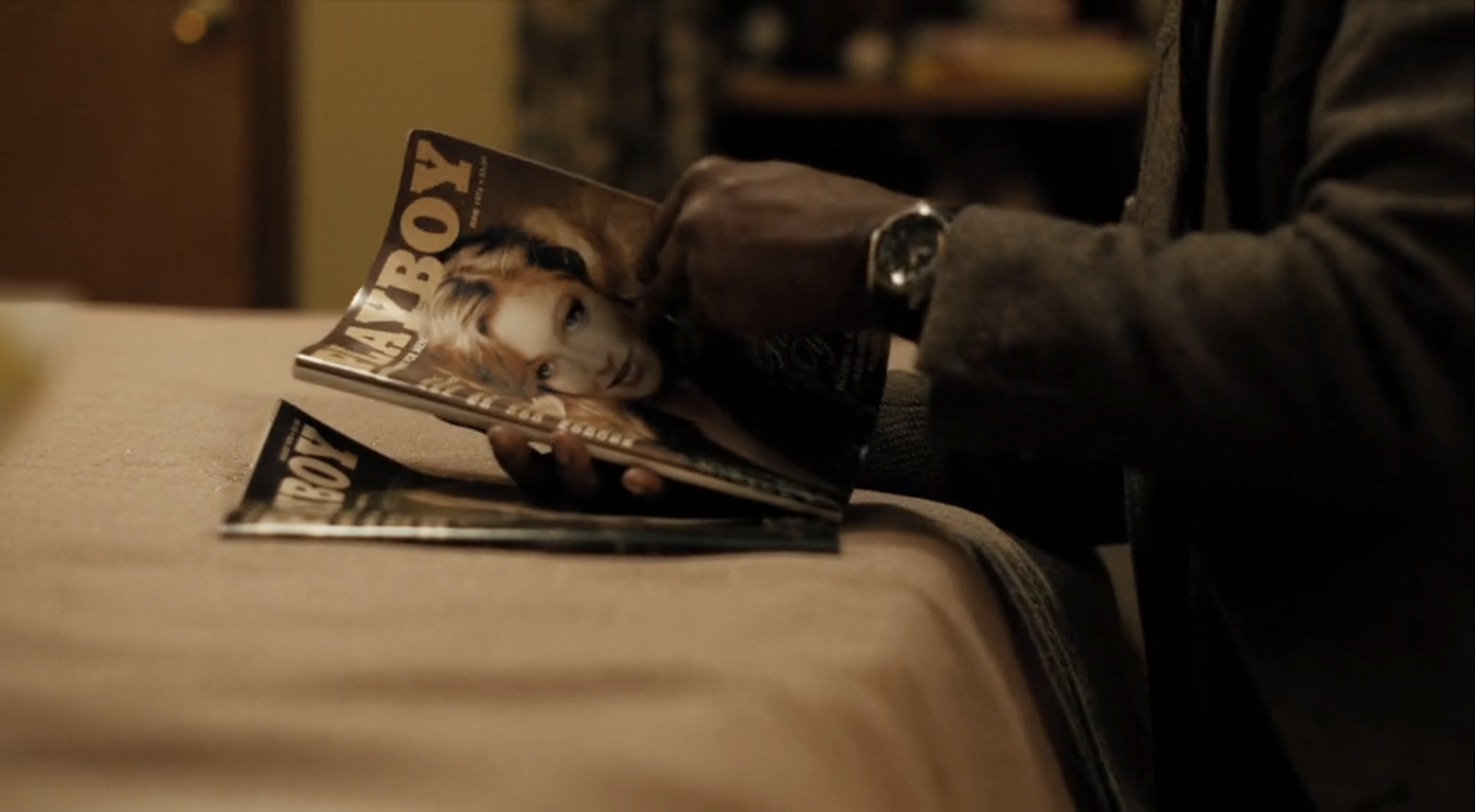
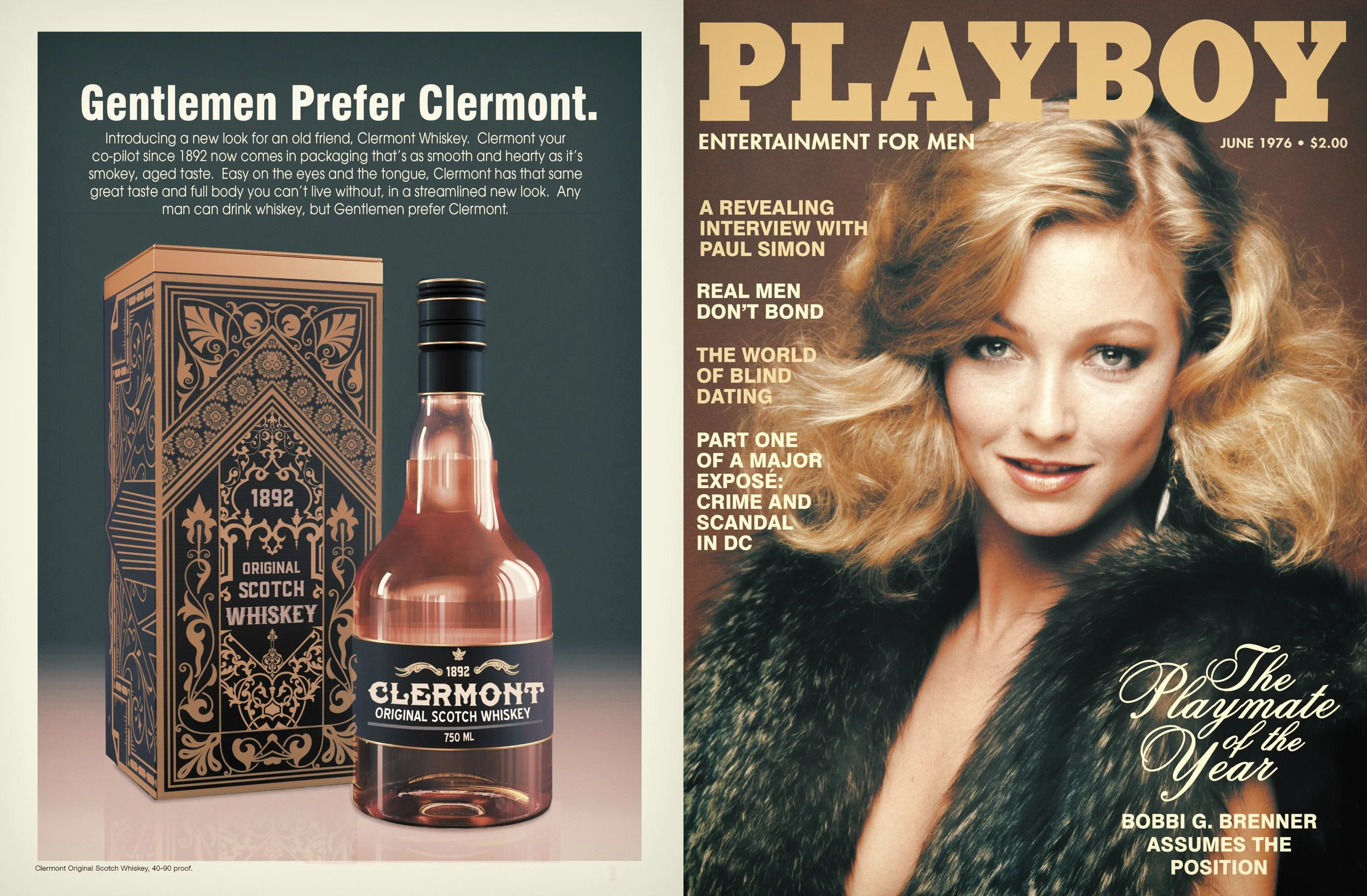
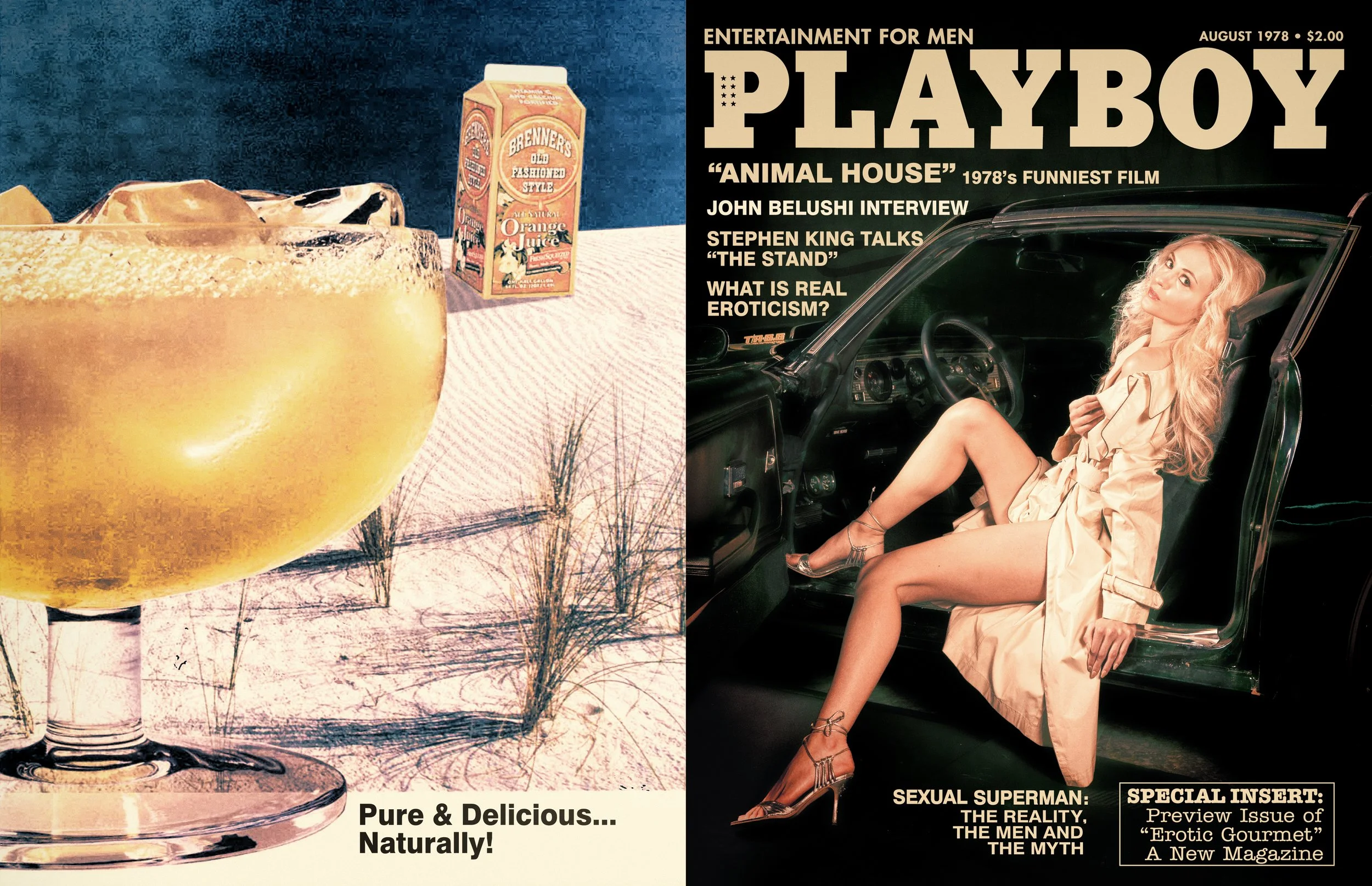
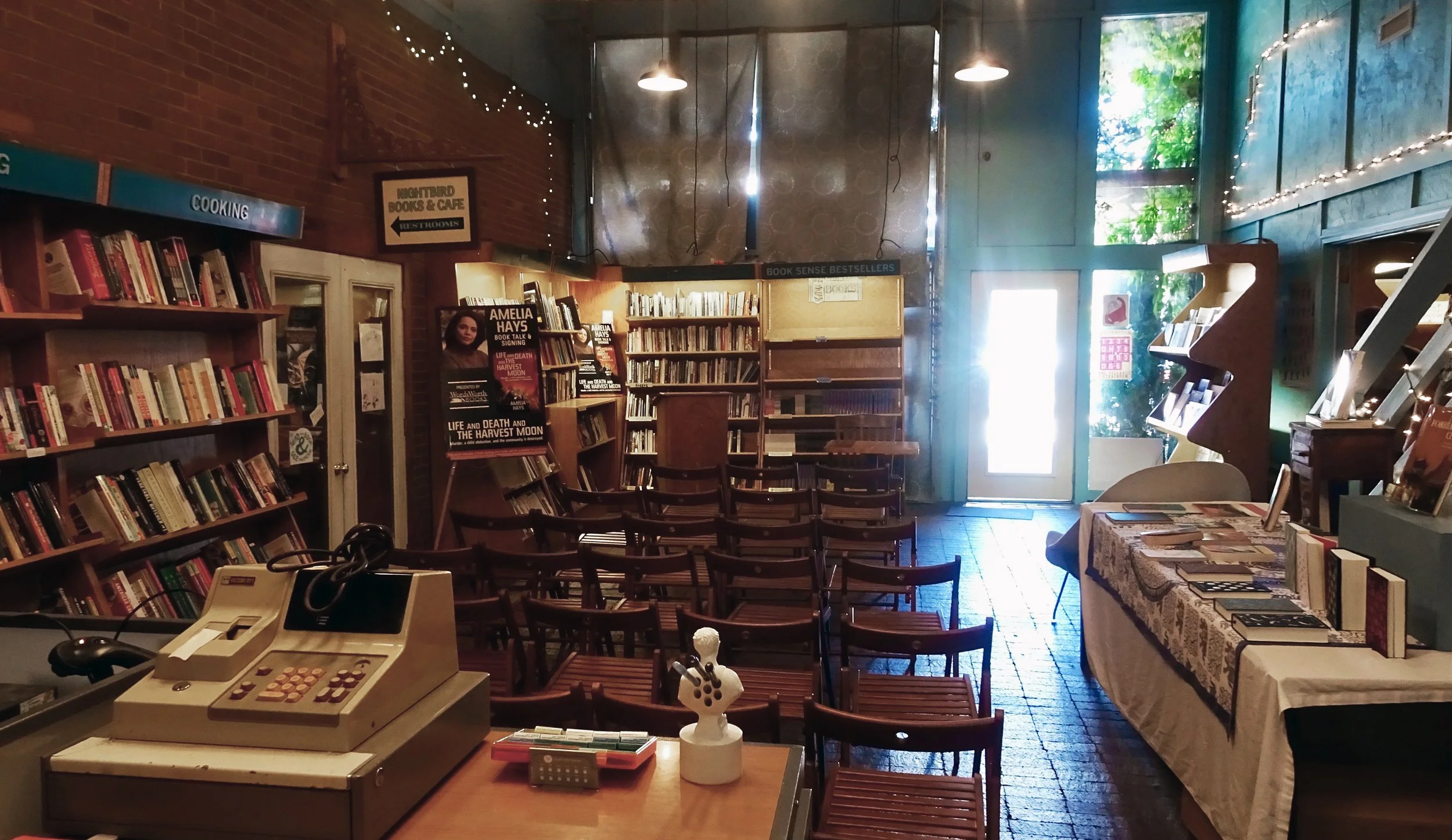
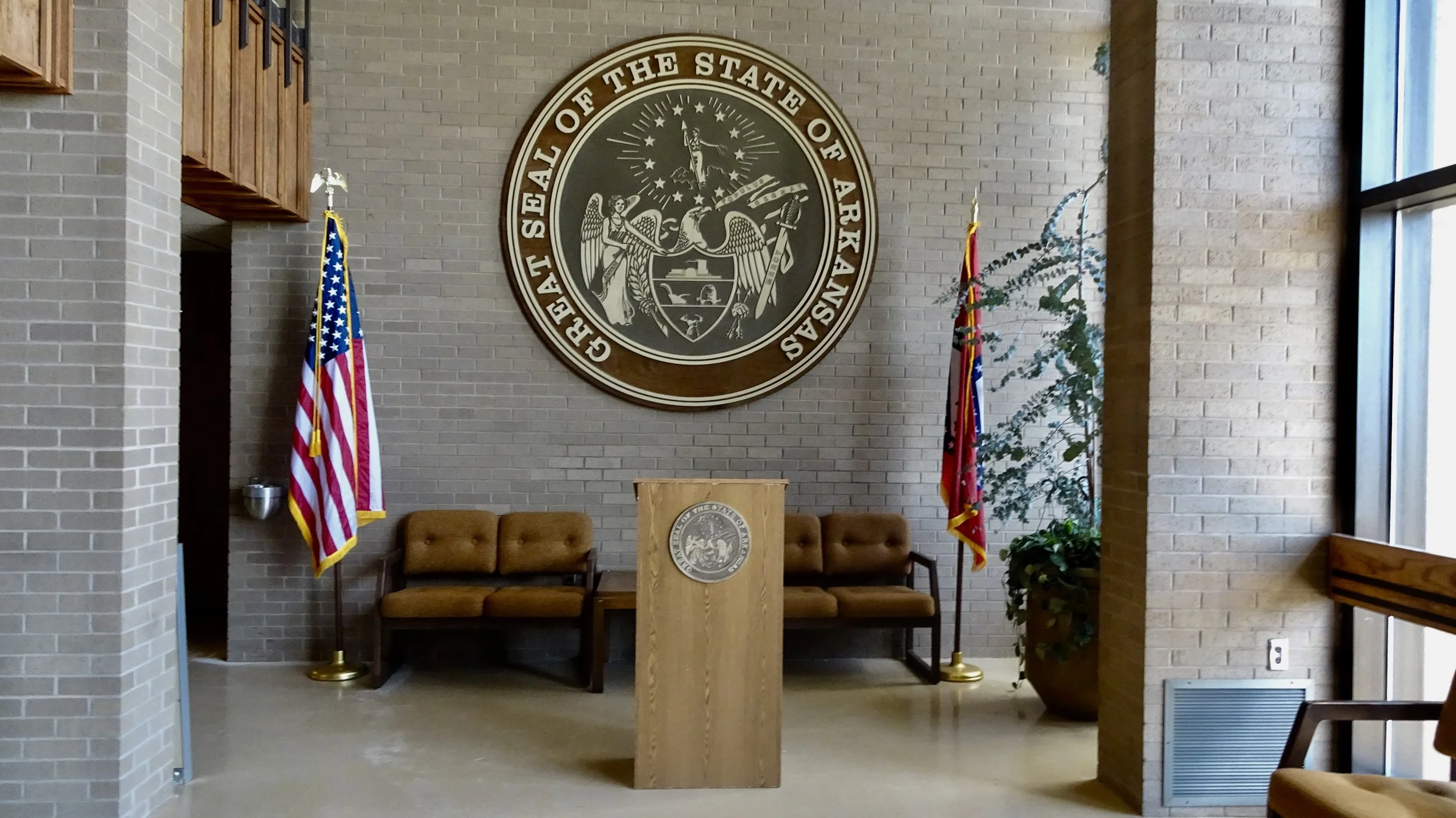
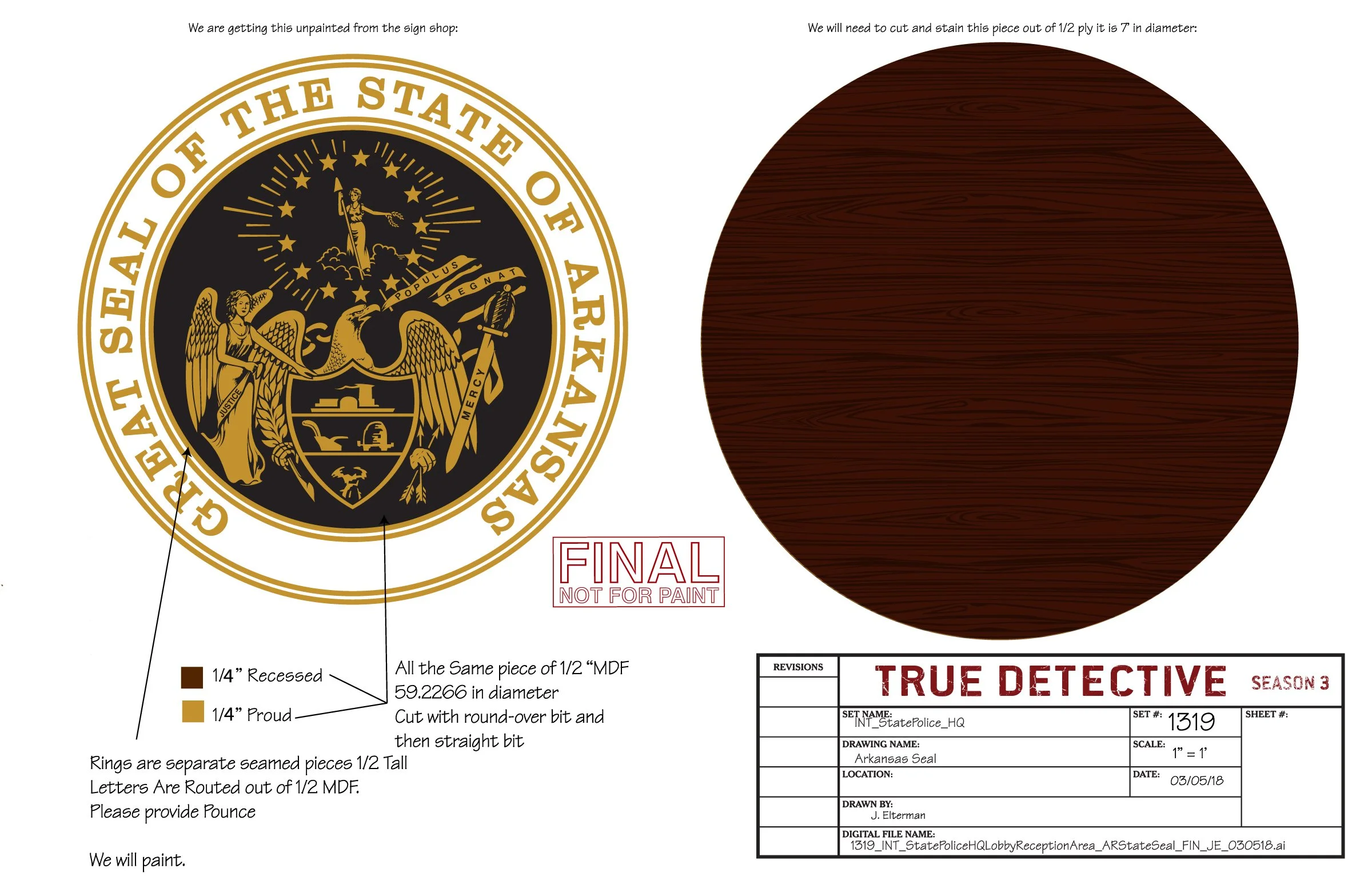
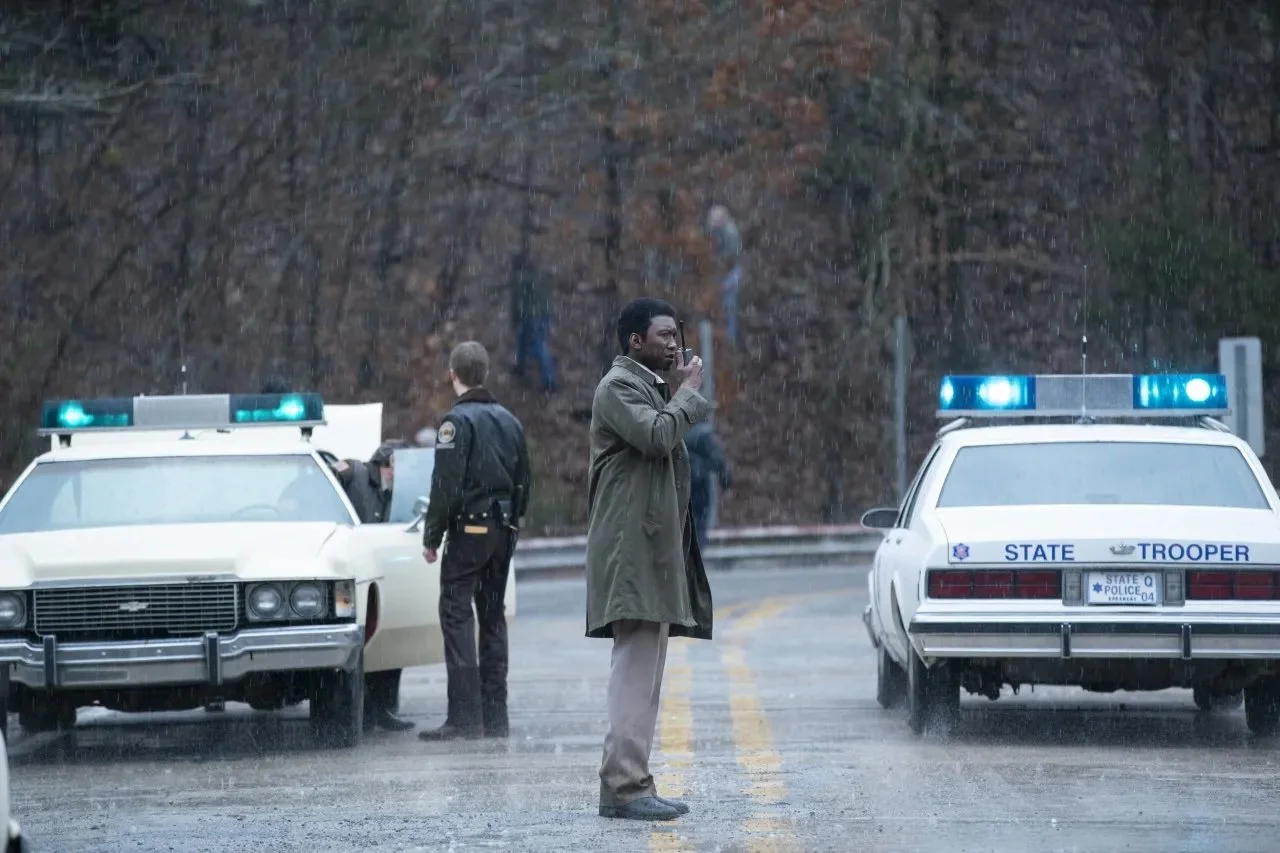
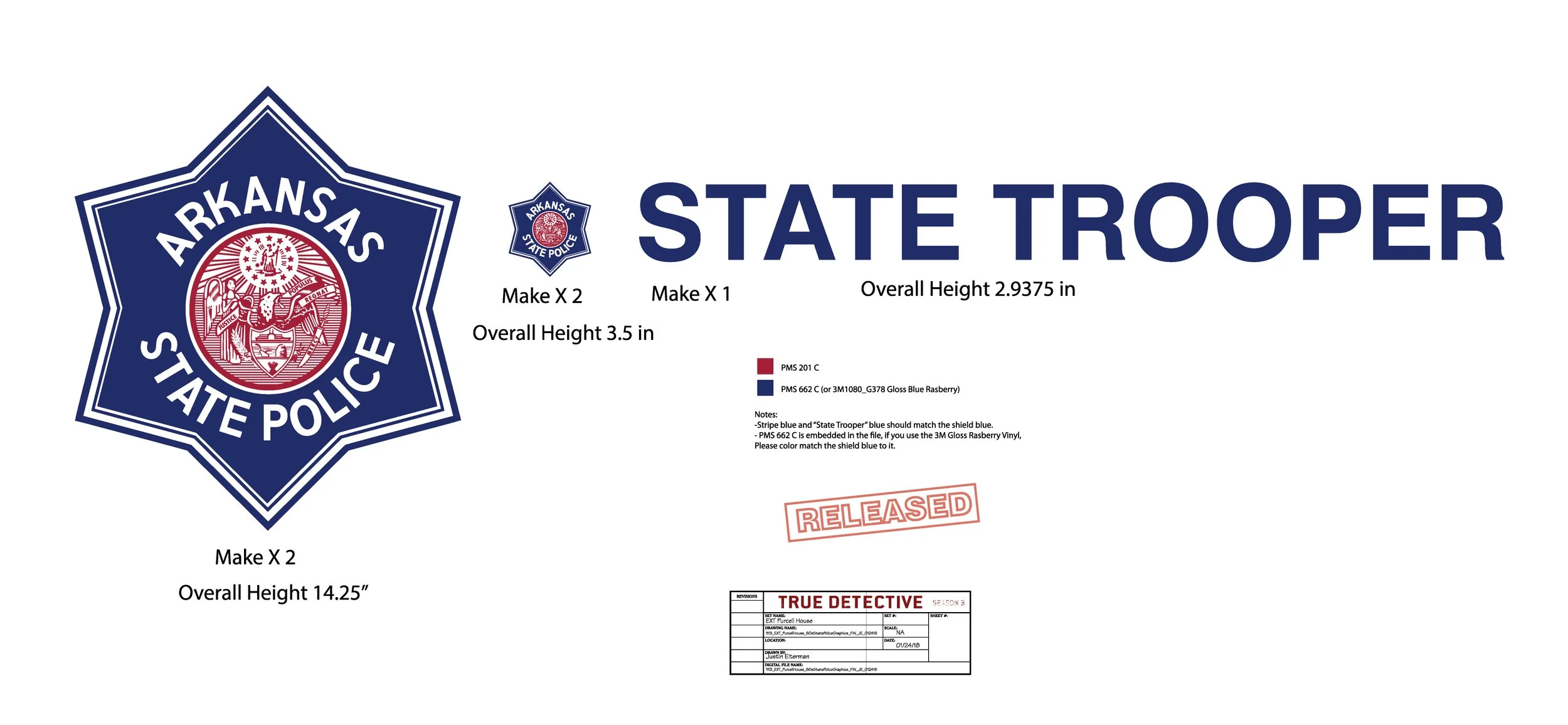
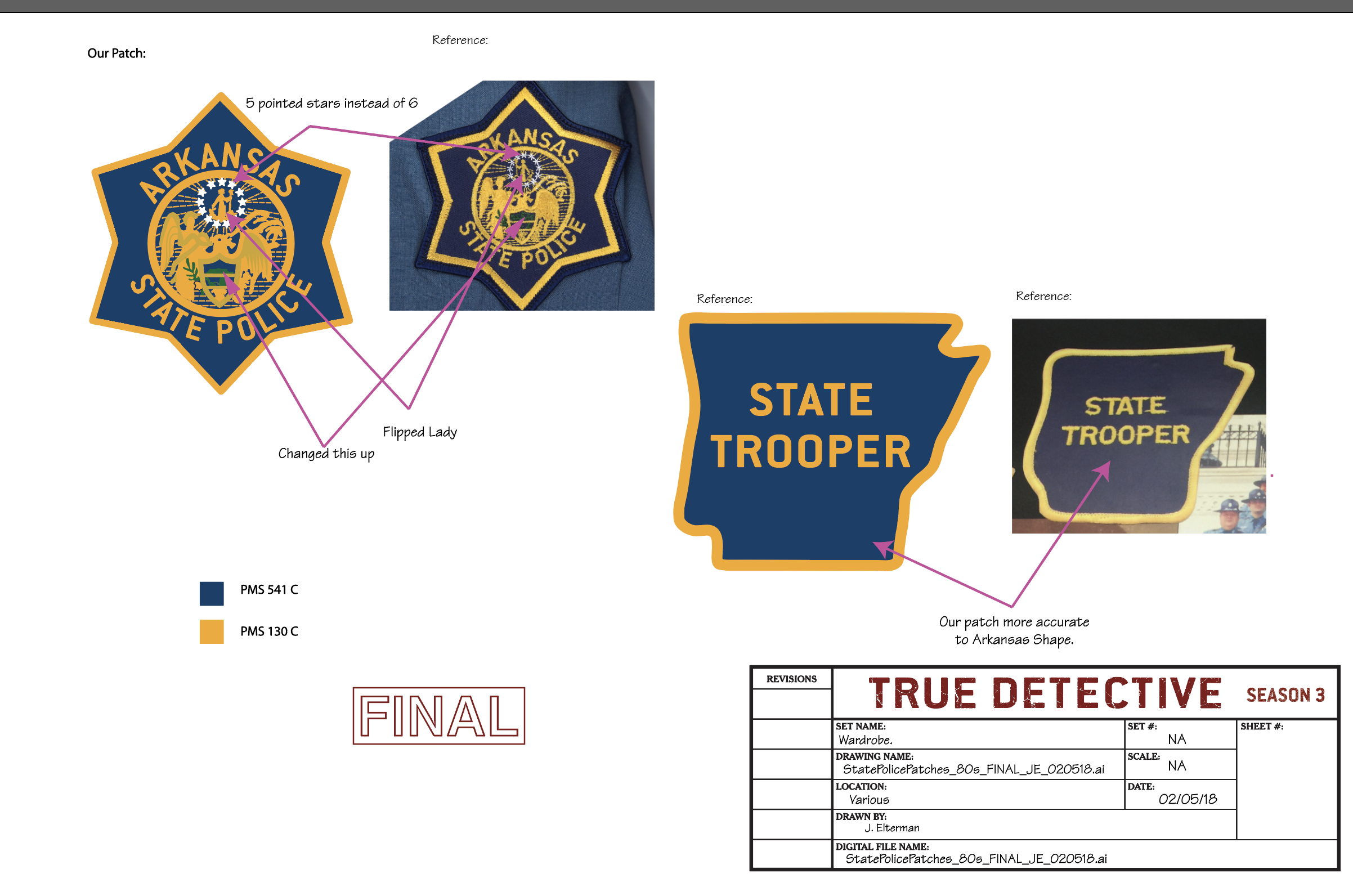
LAW ENFORCEMENT SYSTEMS: PROCEDURAL ACCURACY: I oversaw the research, design, and fabrication of all law enforcement graphics, ensuring they withstood extreme close-up scrutiny. This required extensive archival research working closely with technical advisors, I ensured every font choice, material finish, and color match adhered to the specific standards of the Arkansas State Police, the Washington County Sheriff’s Department, and other law enforcement agencies in the 1980s, 1990s, and 2000s.

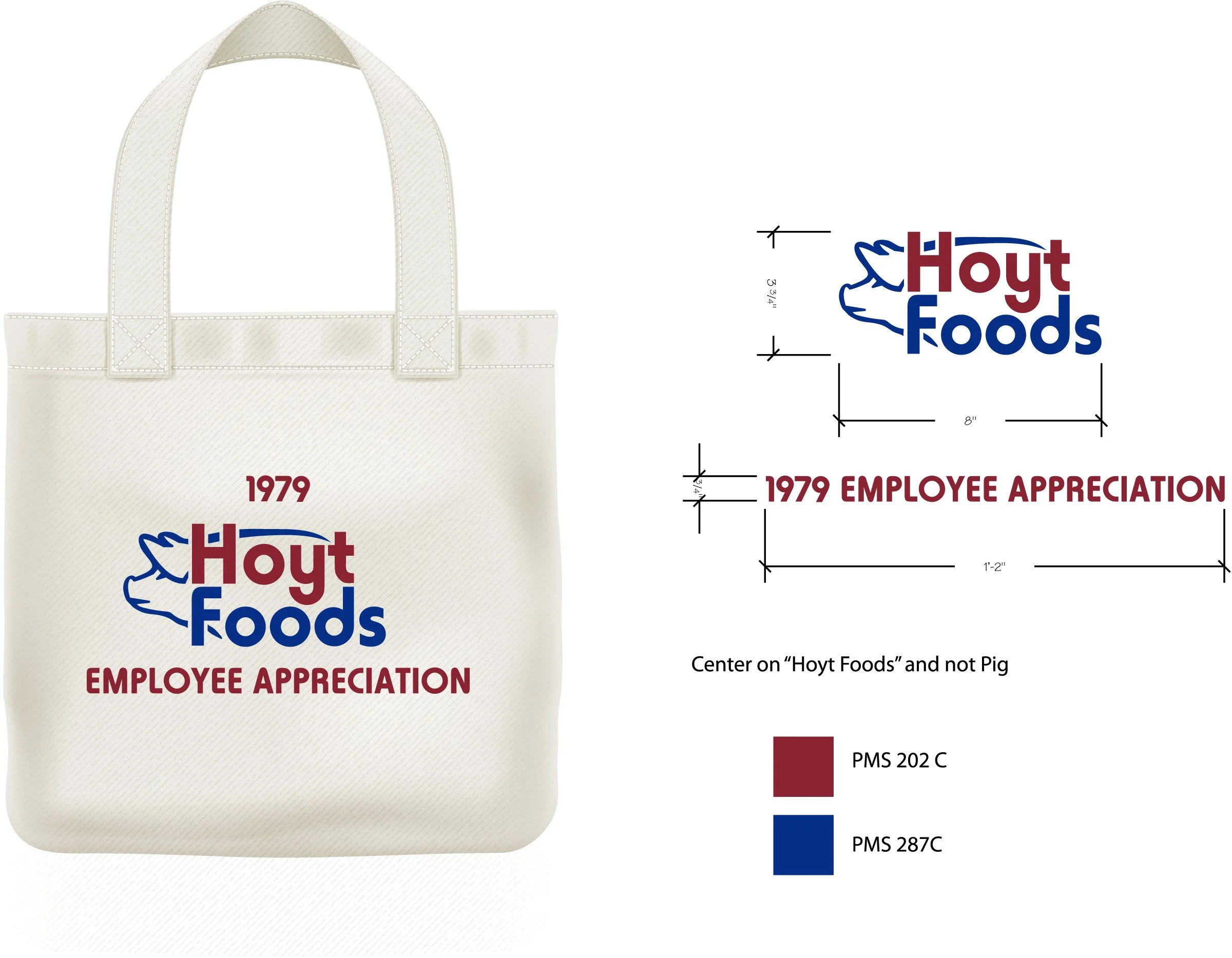
HOYT FOODS: SYSTEMIC IDENTITY DEVELOPMENT: To anchor the local economy of the story, I developed a comprehensive corporate identity for 'Hoyt Foods' —a fictional regional powerhouse— for two distinct time periods. This was a total systemic rollout, extending far beyond simple logo placement.
I designed the visual language for industrial infrastructure, fleet logistics (shipping trucks), and internal corporate culture. The result was a 'brand' that felt durable, utilitarian, and economically embedded in the town's history.
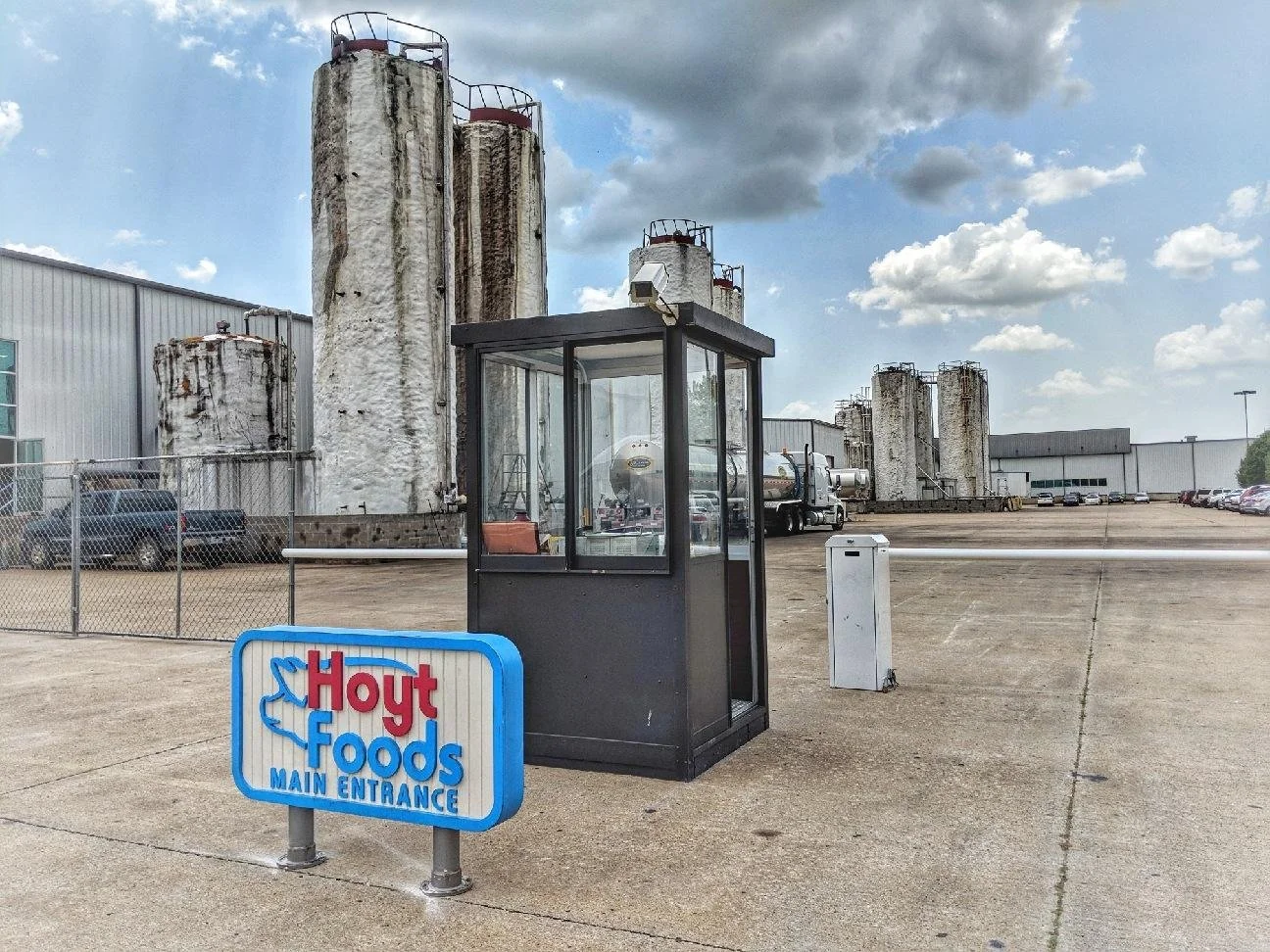
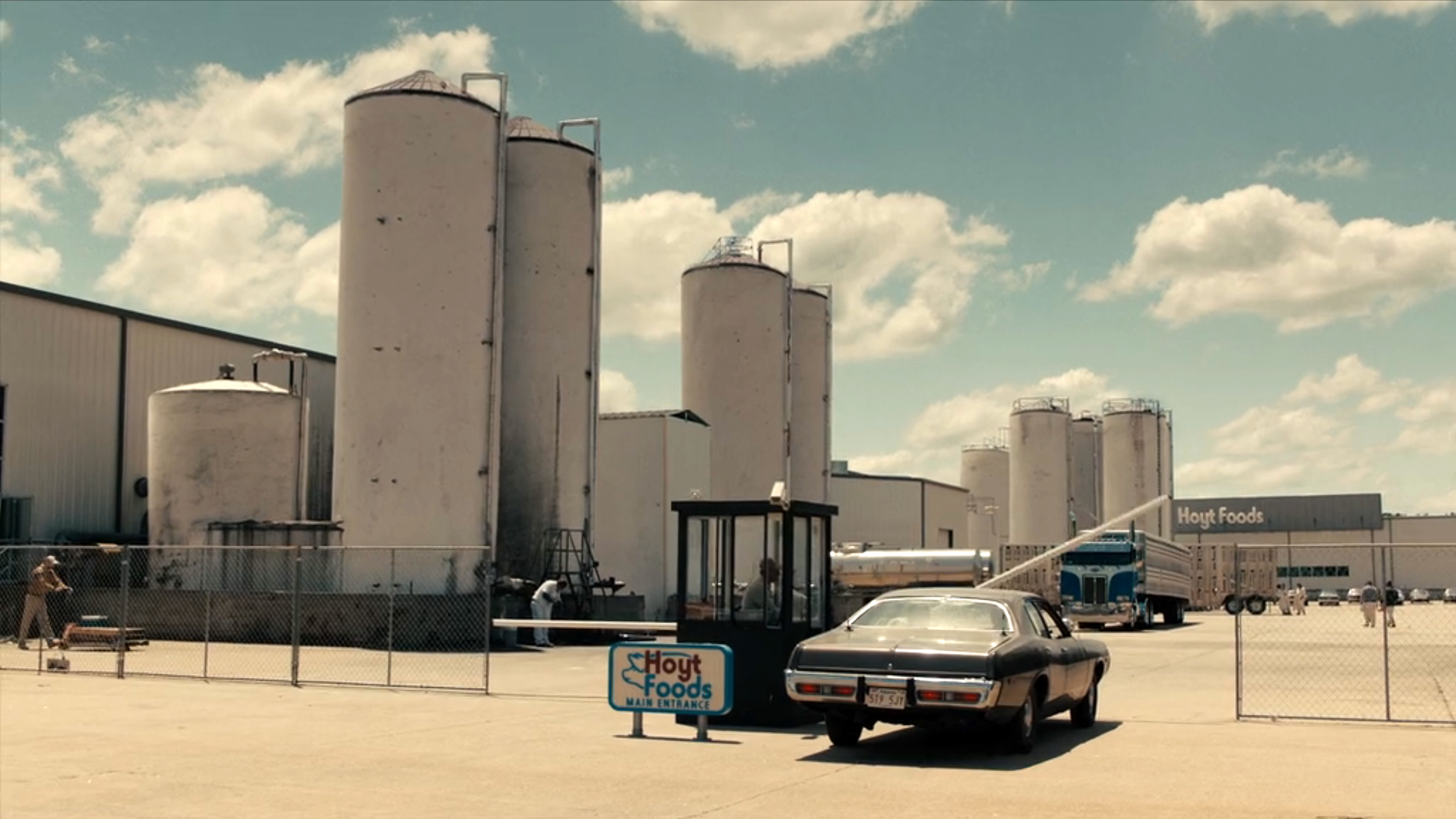
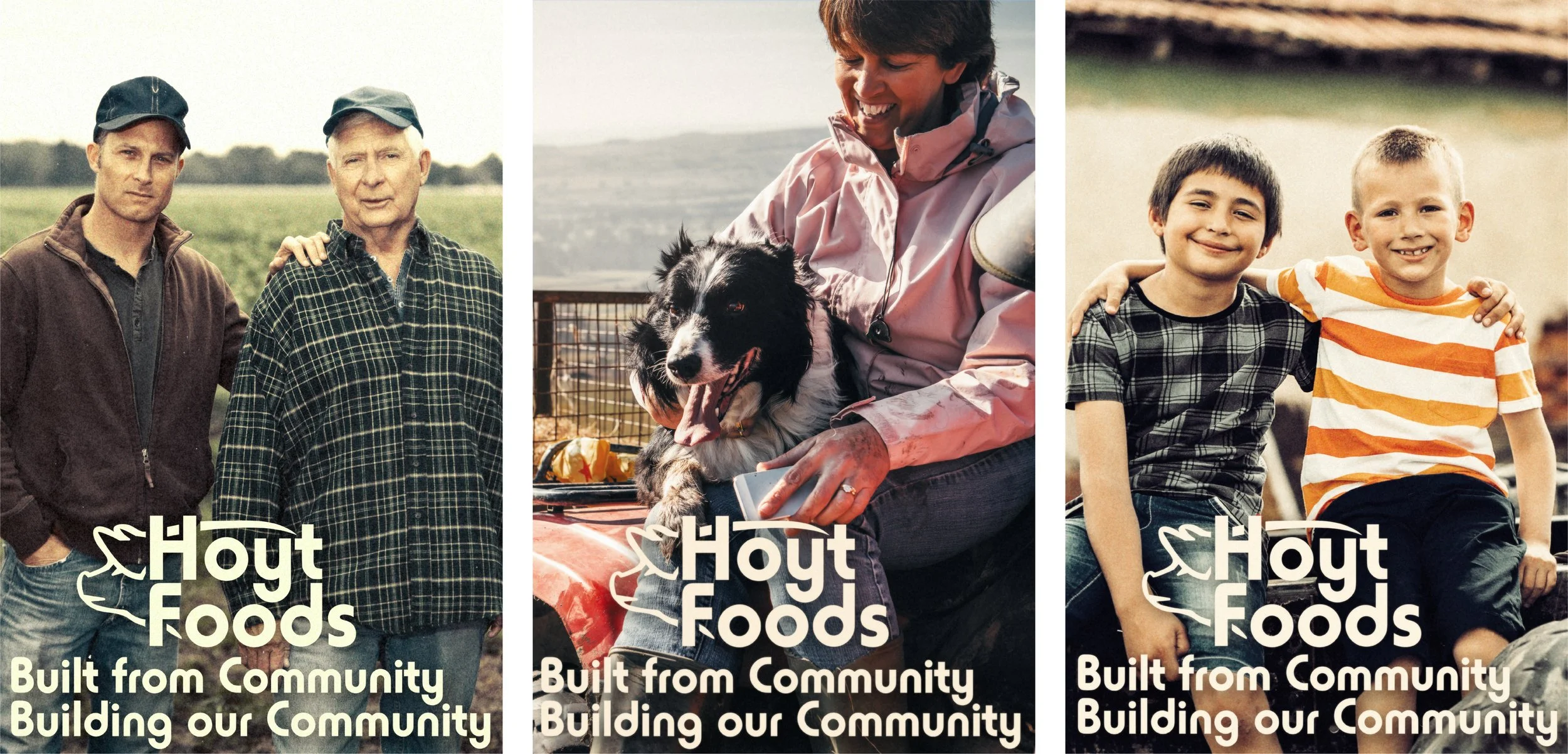
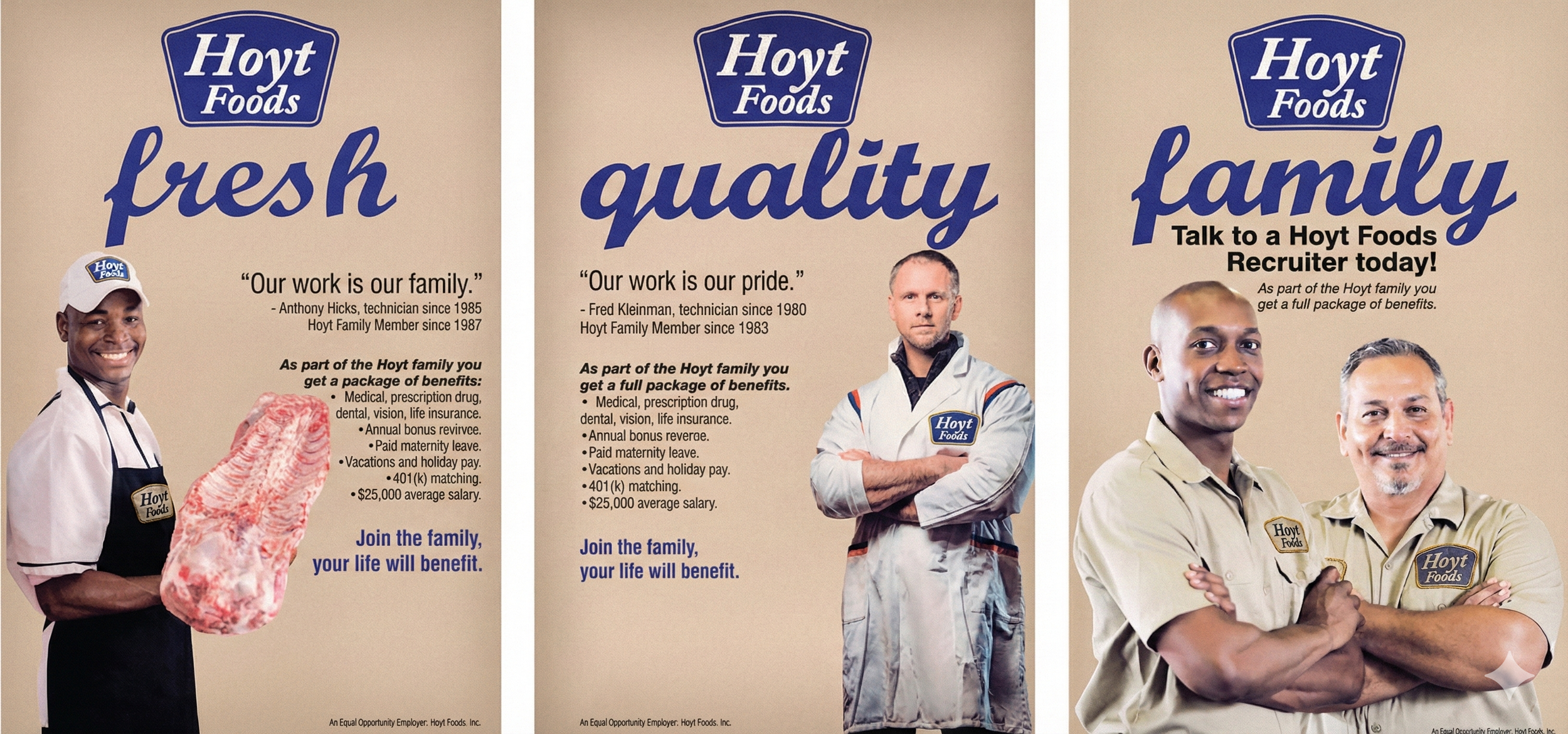
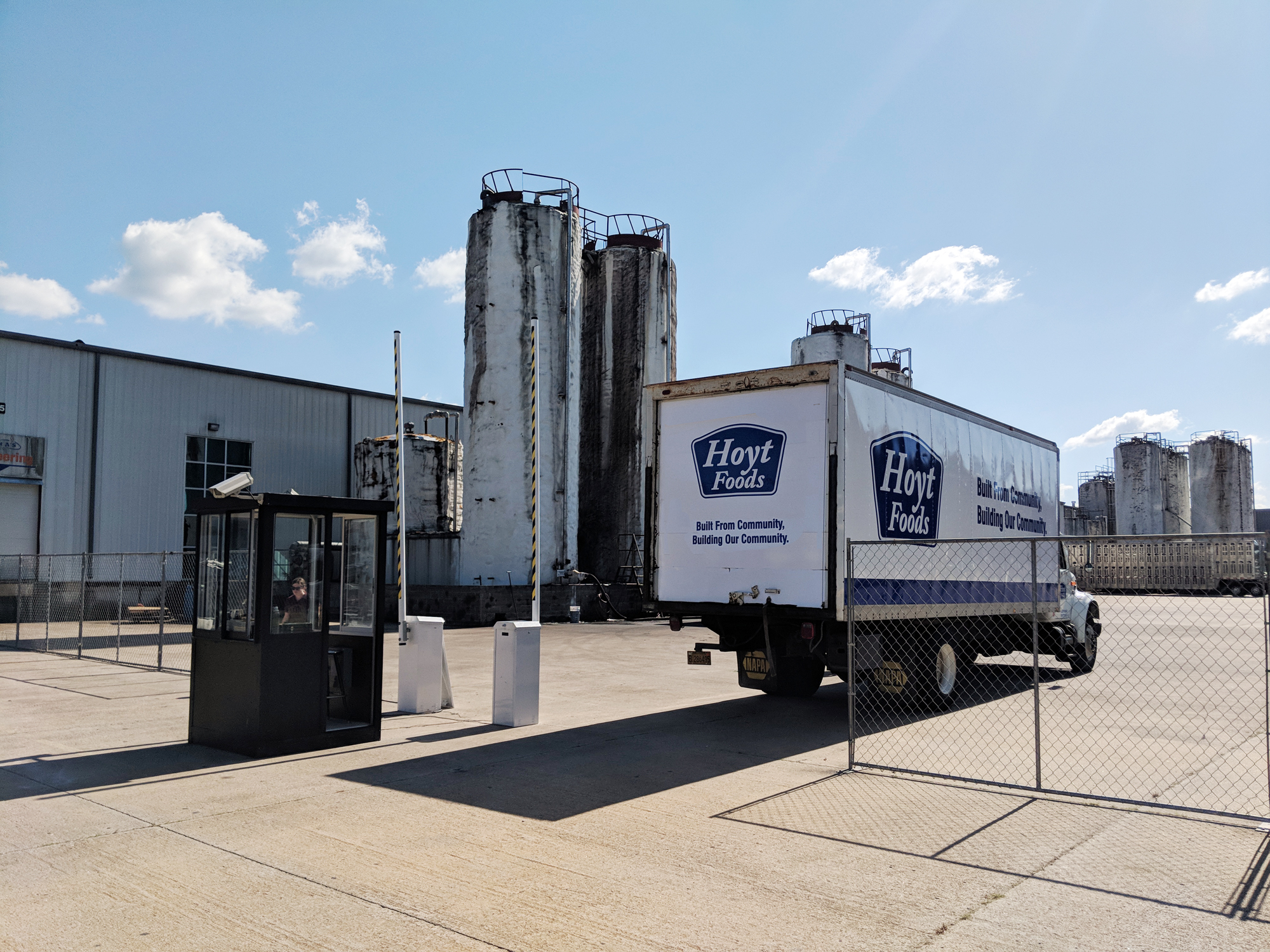
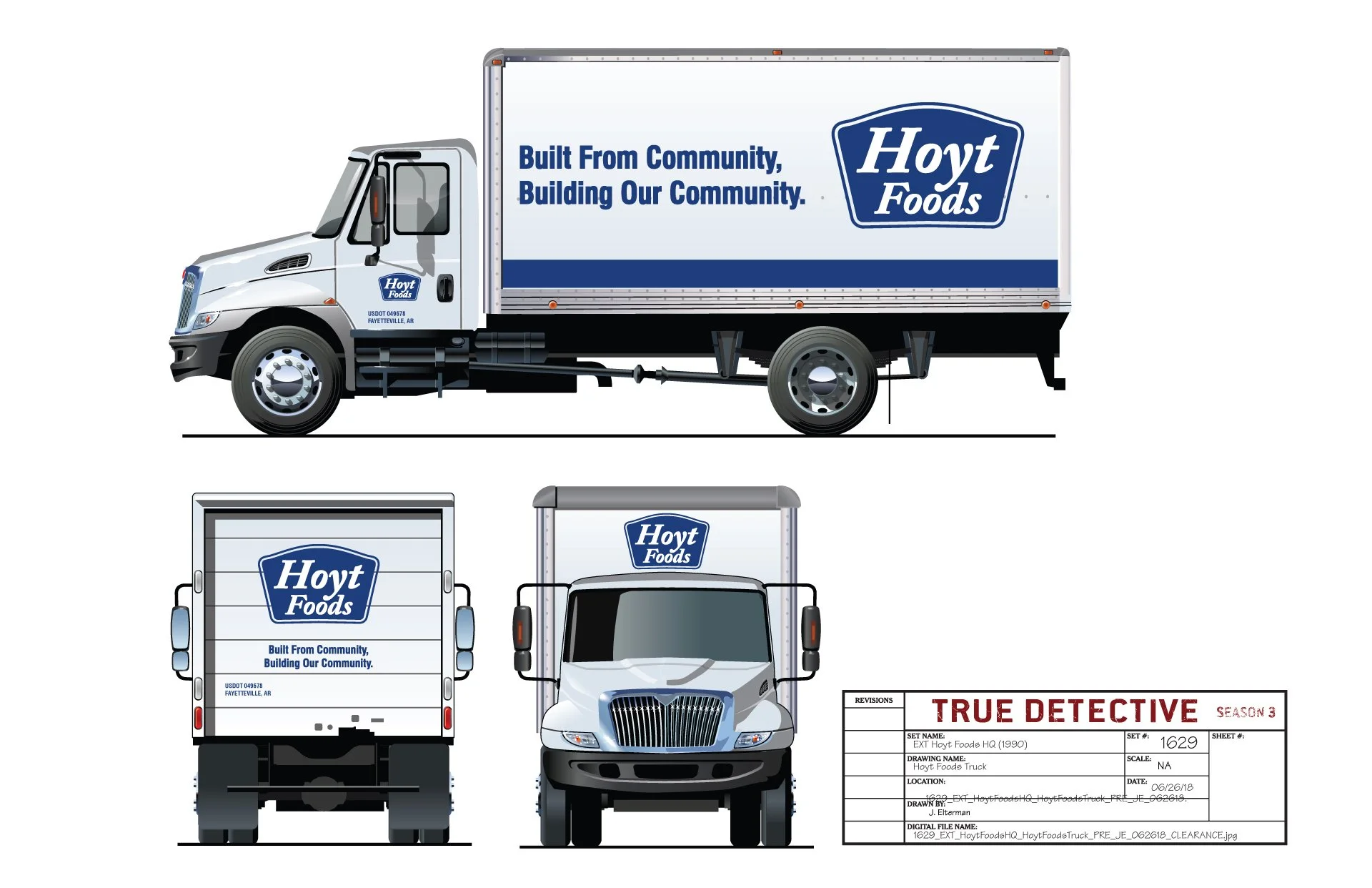
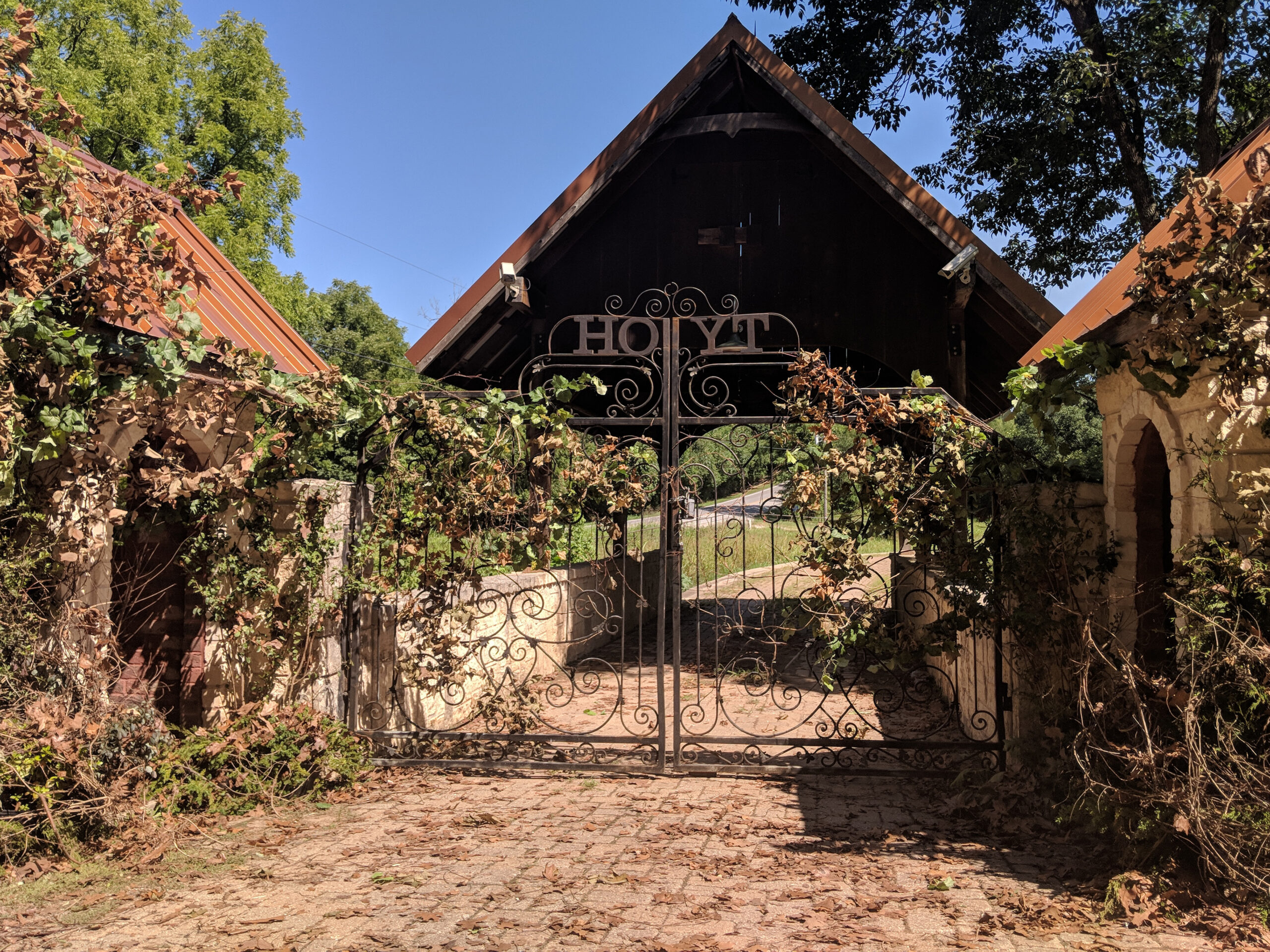
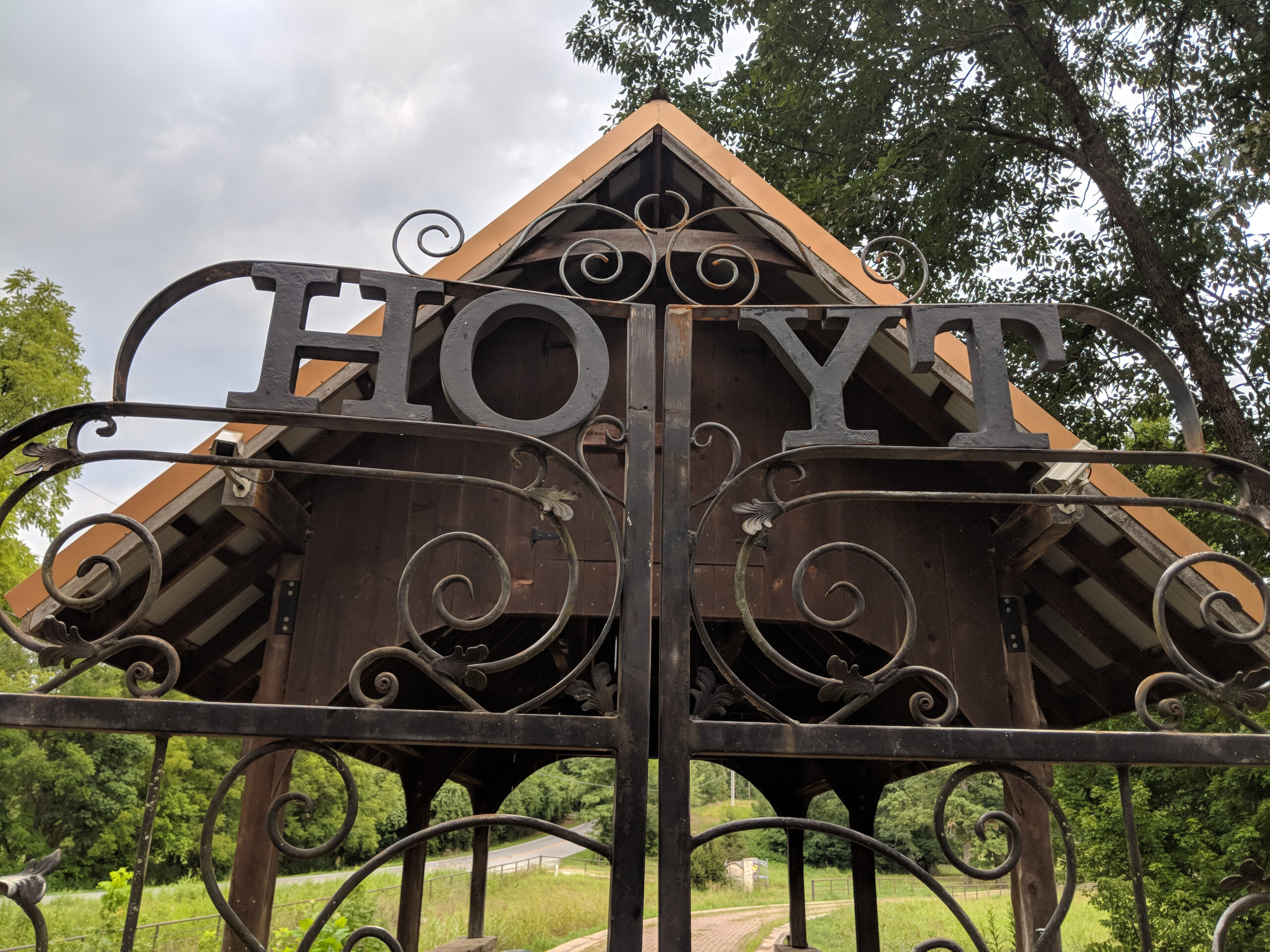
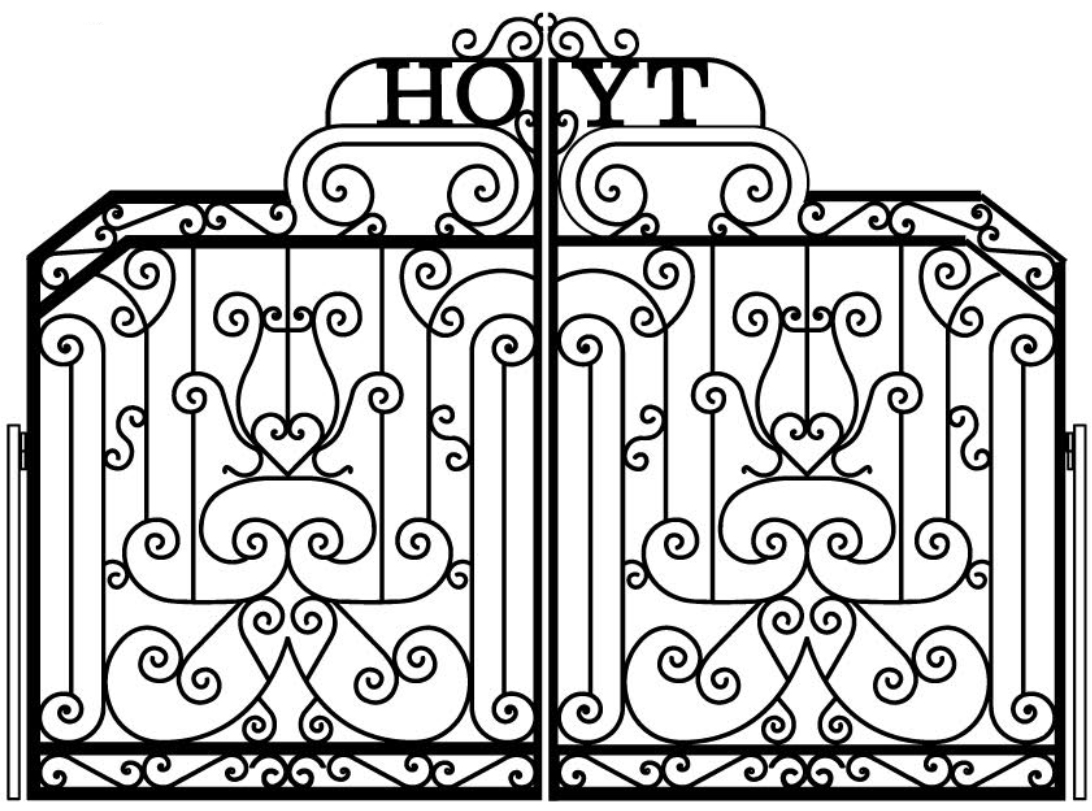
HOYT COMPOUND ENTRY GATE: For the Hoyt compound, I designed an entry gate extension that served as both wayfinding and identity for a private compound.
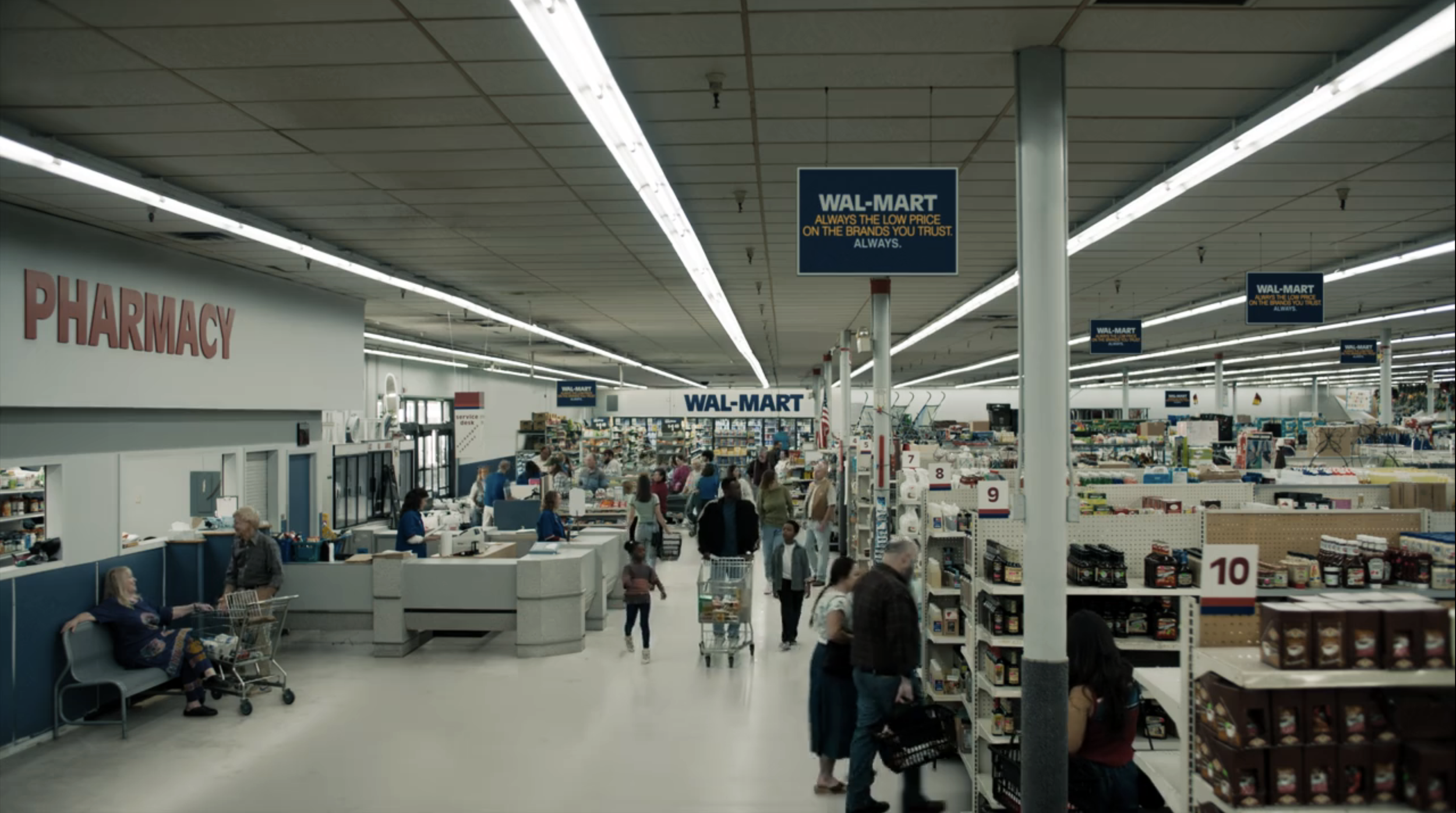
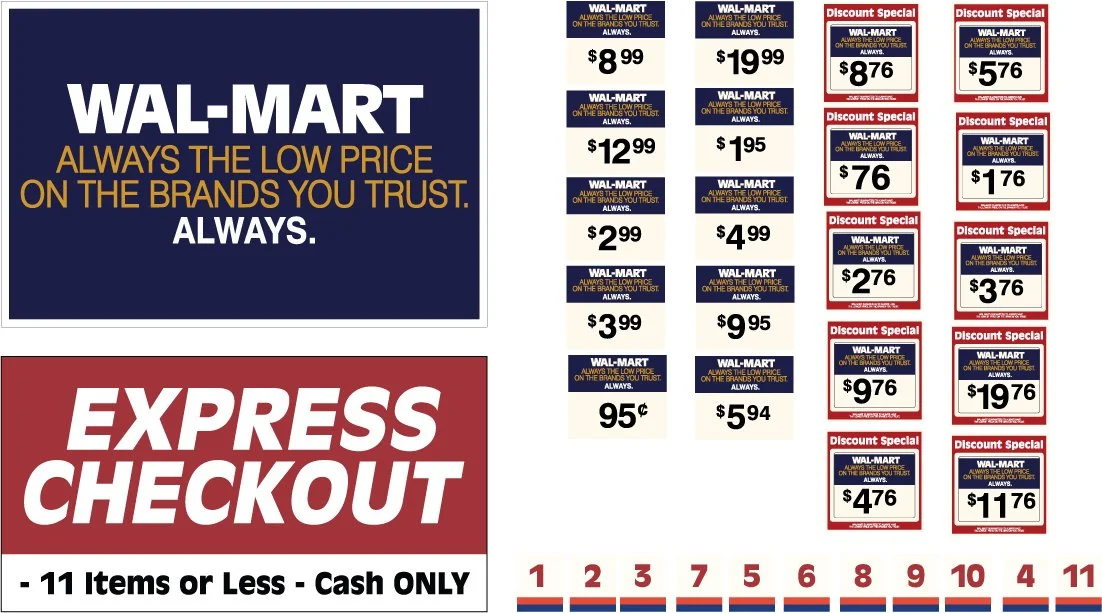
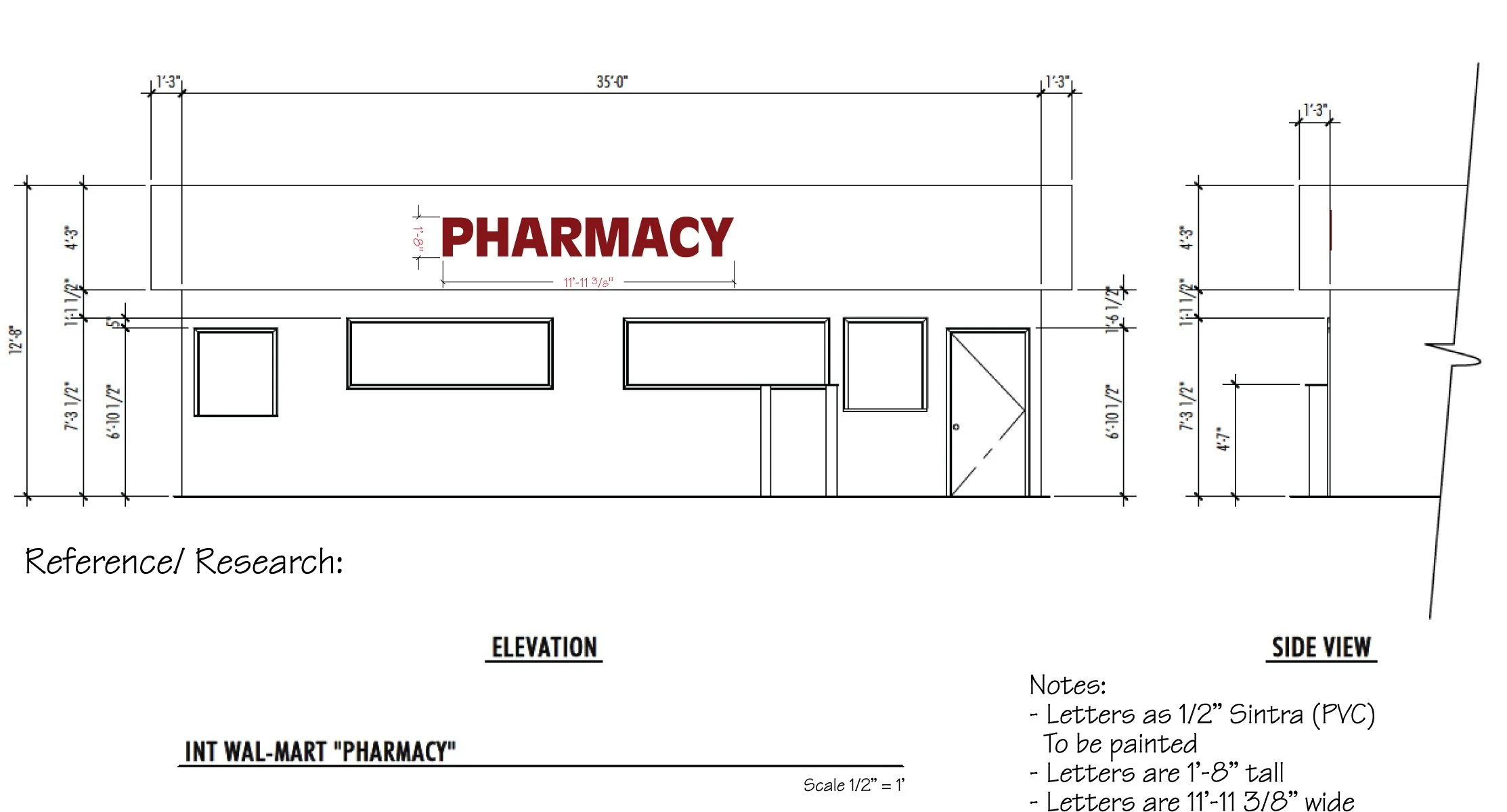
COMMERCIAL ENVIRONMENTS & BRAND PARTNERSHIPS: Creating a truthful everyday reality required navigating complex IP clearances for major brands. I managed the recreation of a period-accurate 1980s Wal-Mart identity, utilizing difficult-to-find archival reference to rebuild vintage signage systems and wayfinding.
During the course of production unique fictional commercial environments were developed to exist harmoniously with the real life branding.
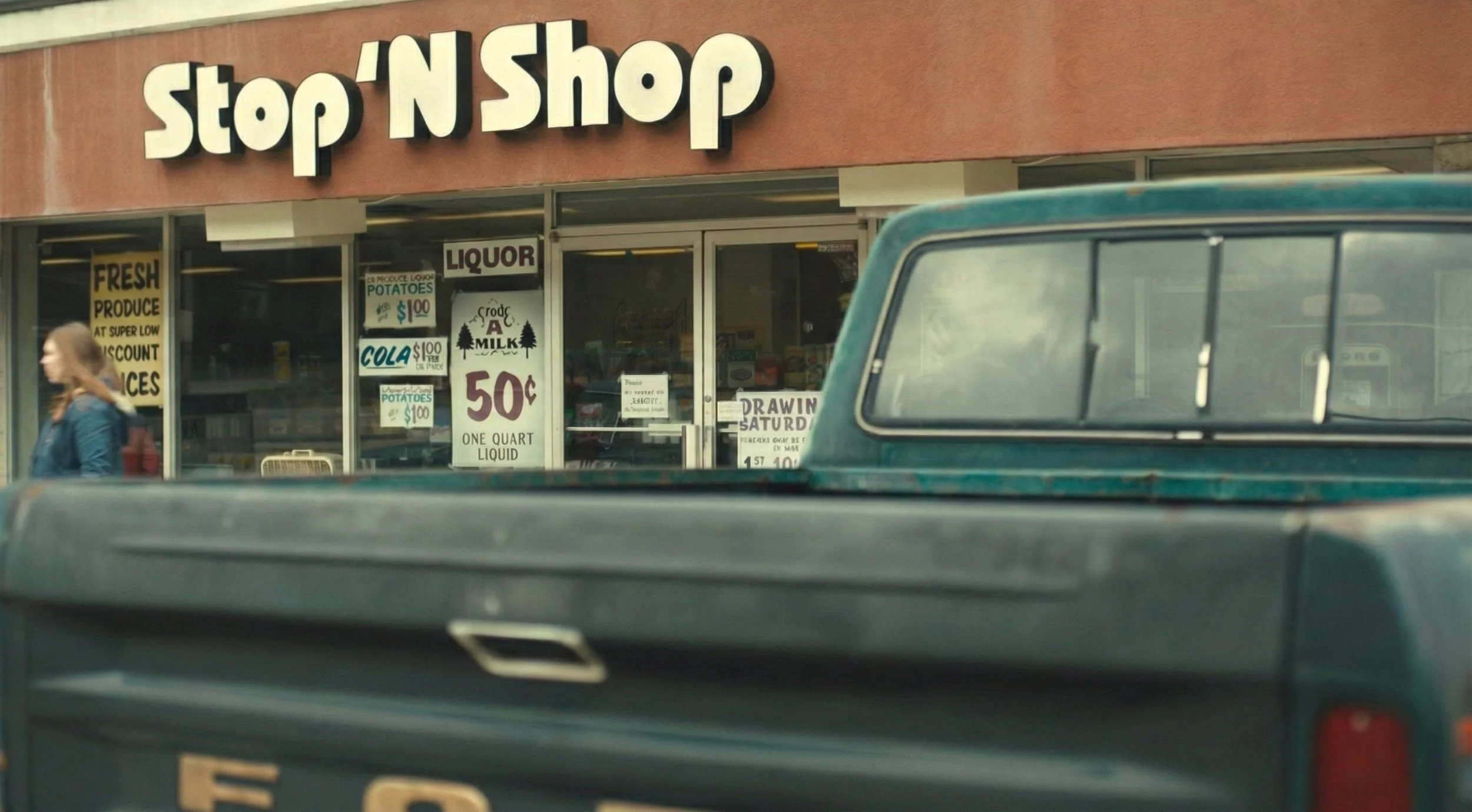
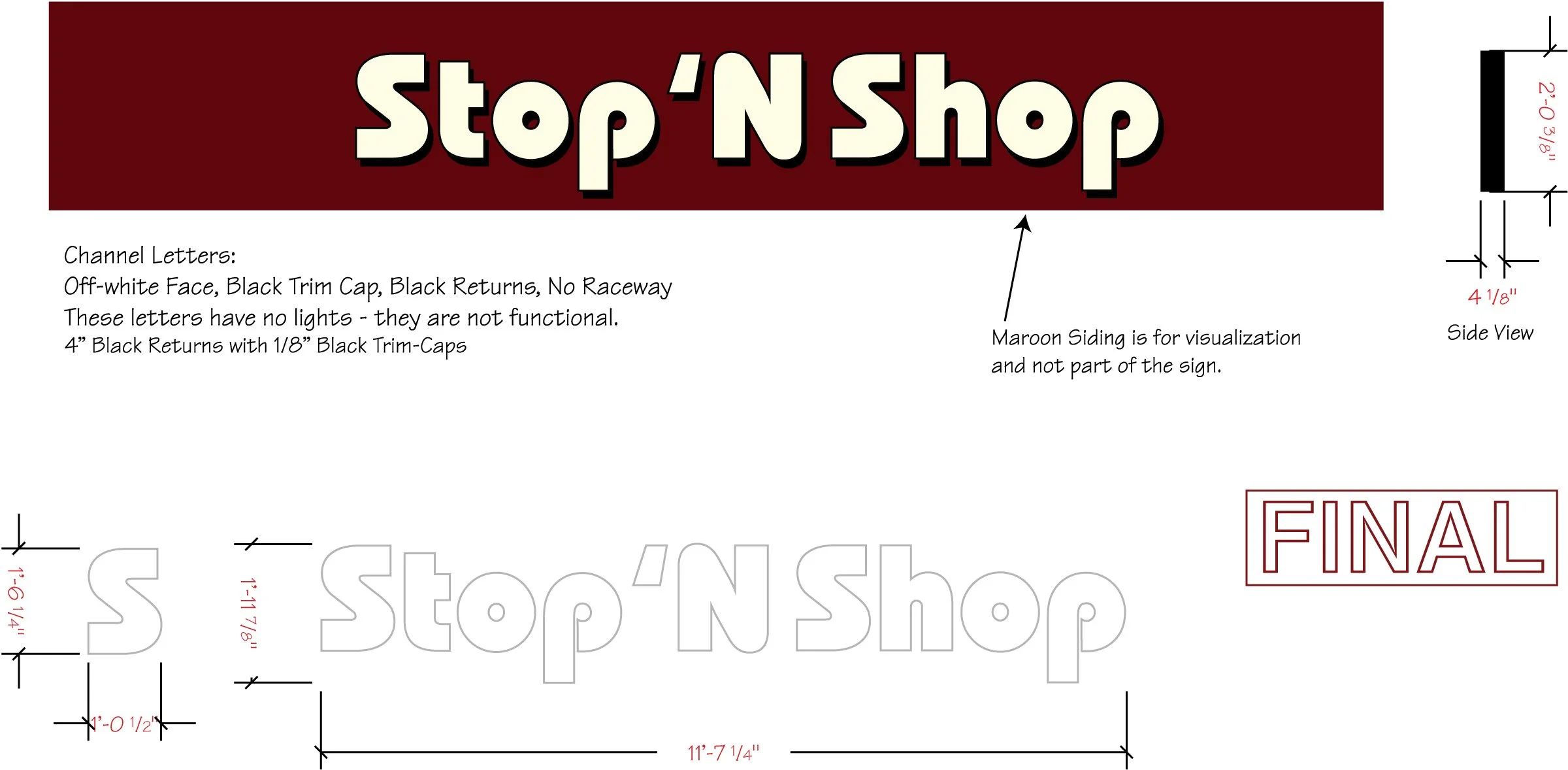
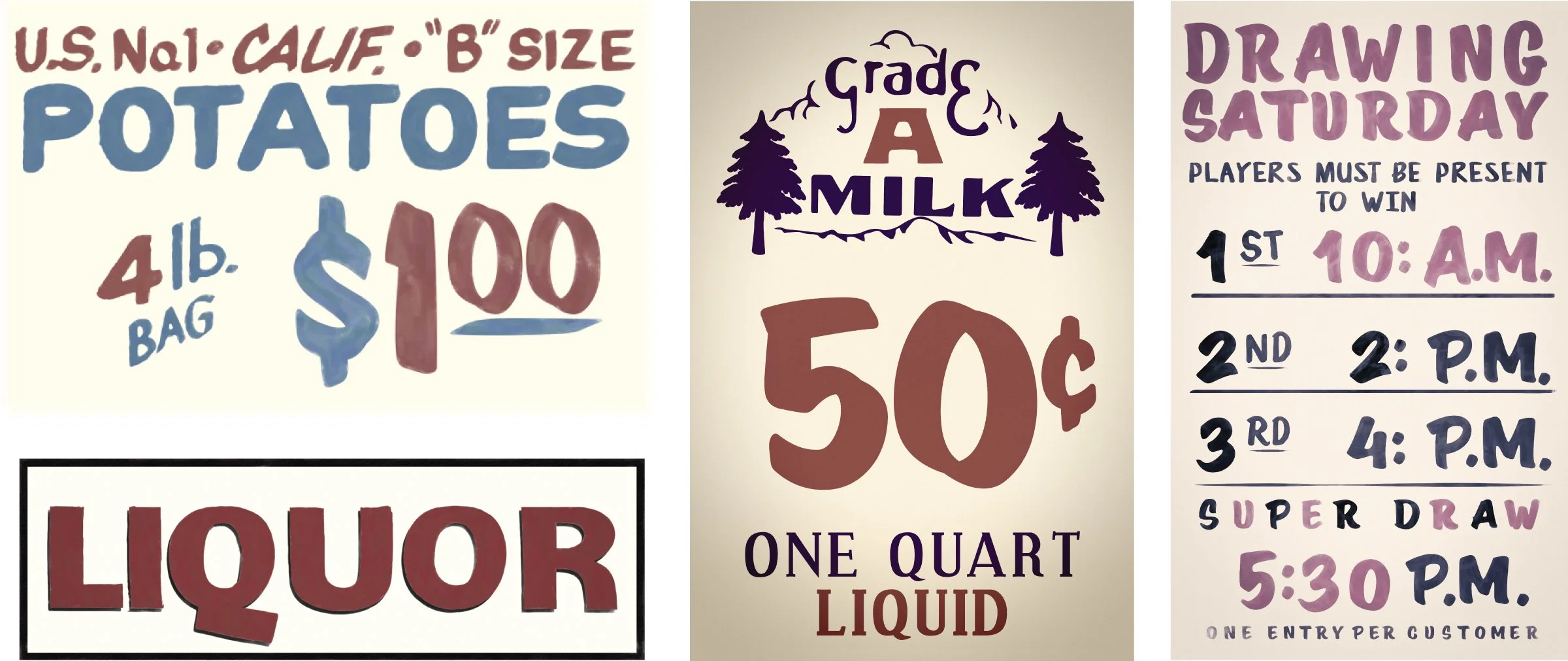
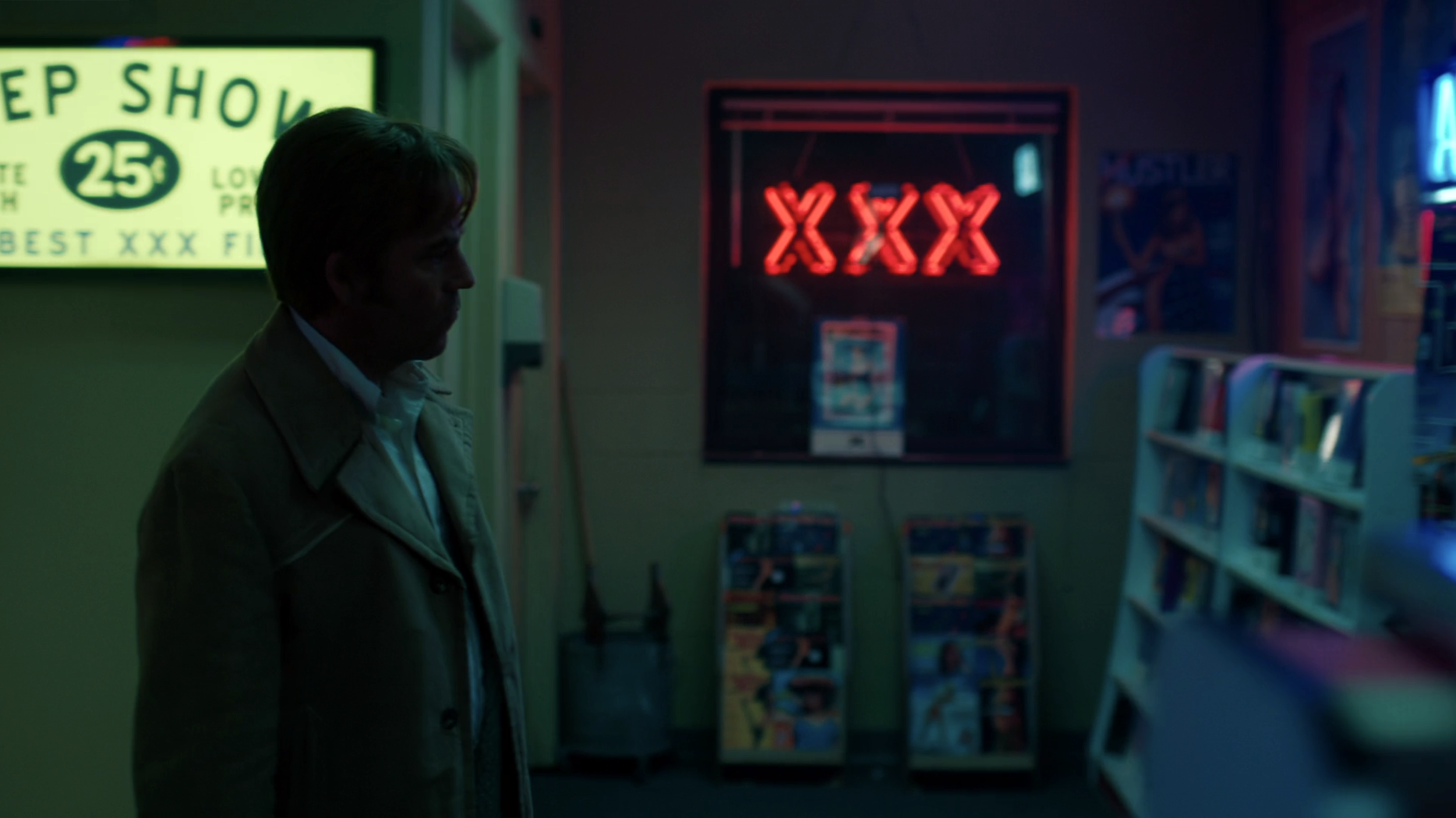
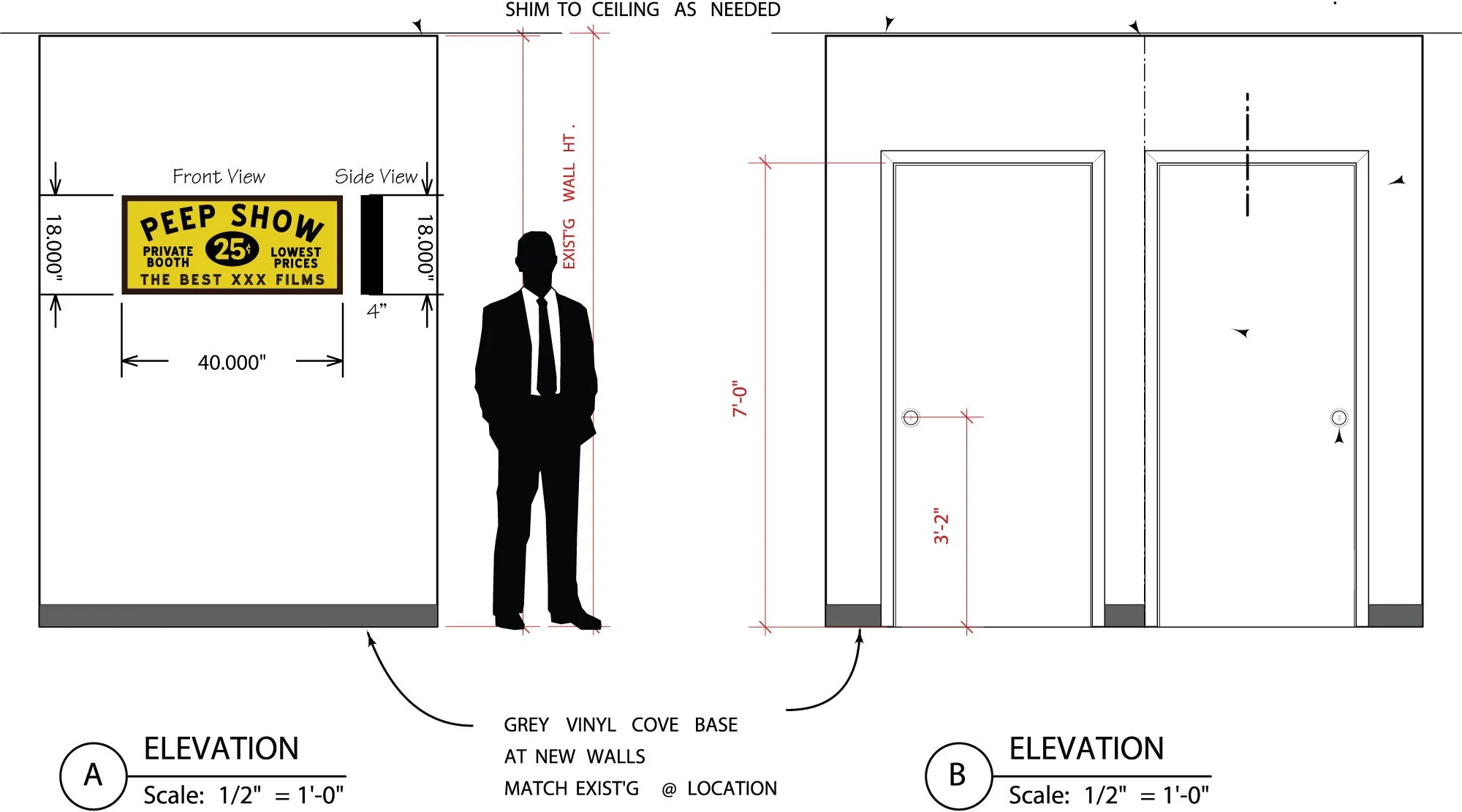
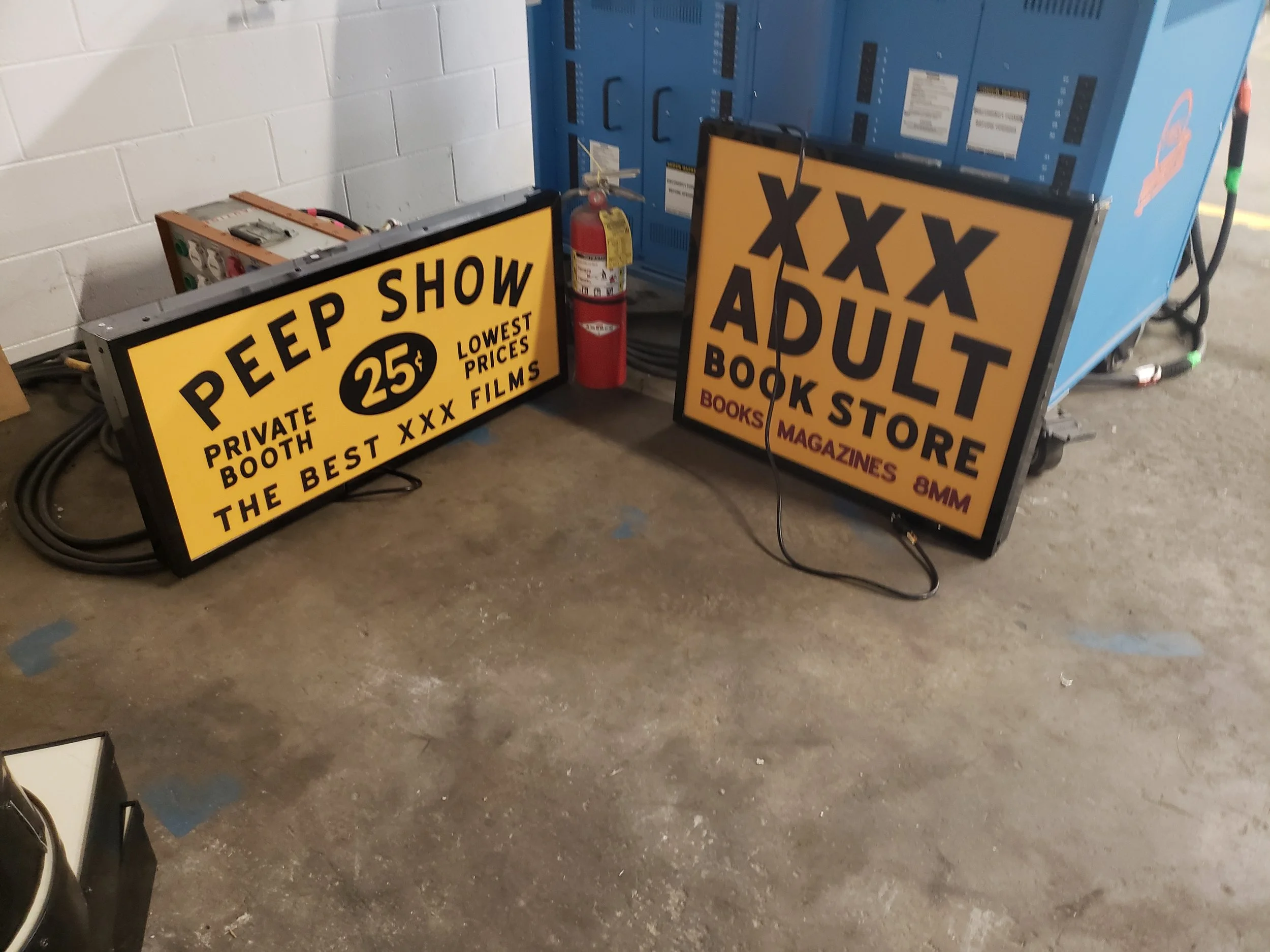
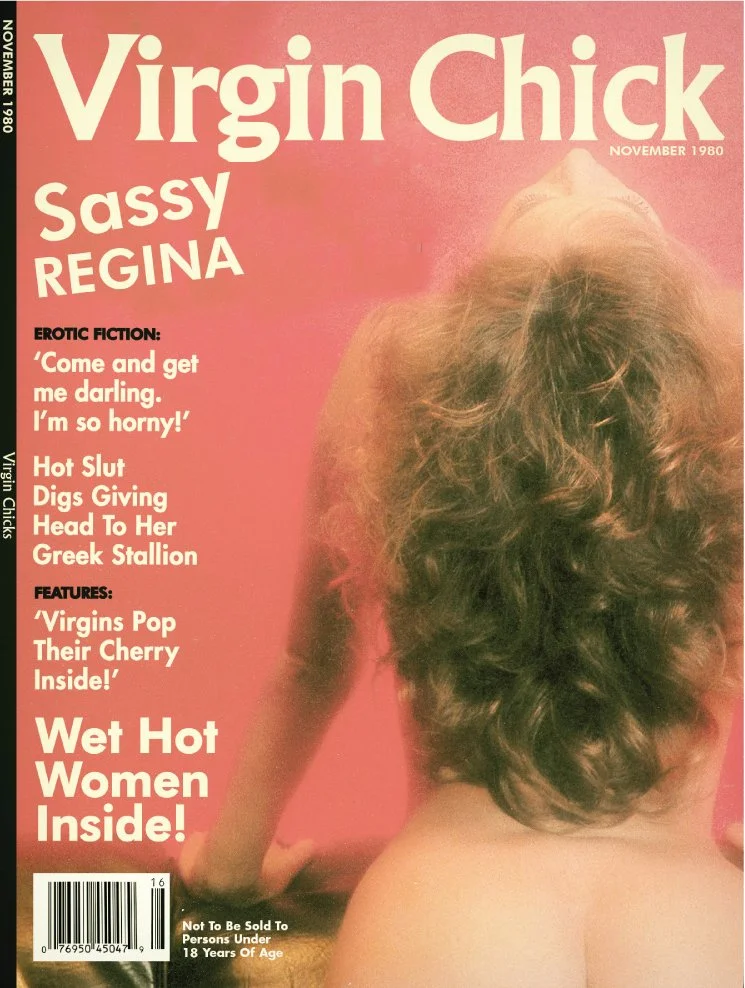
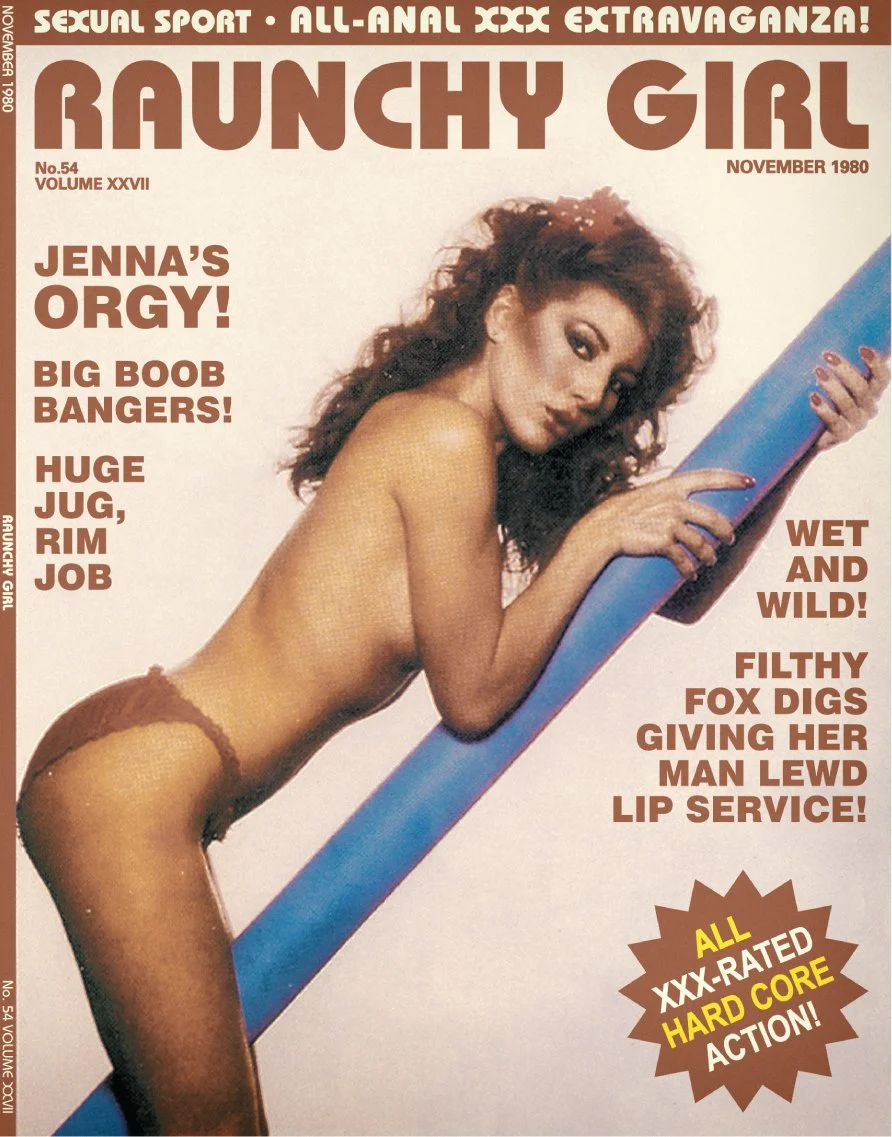
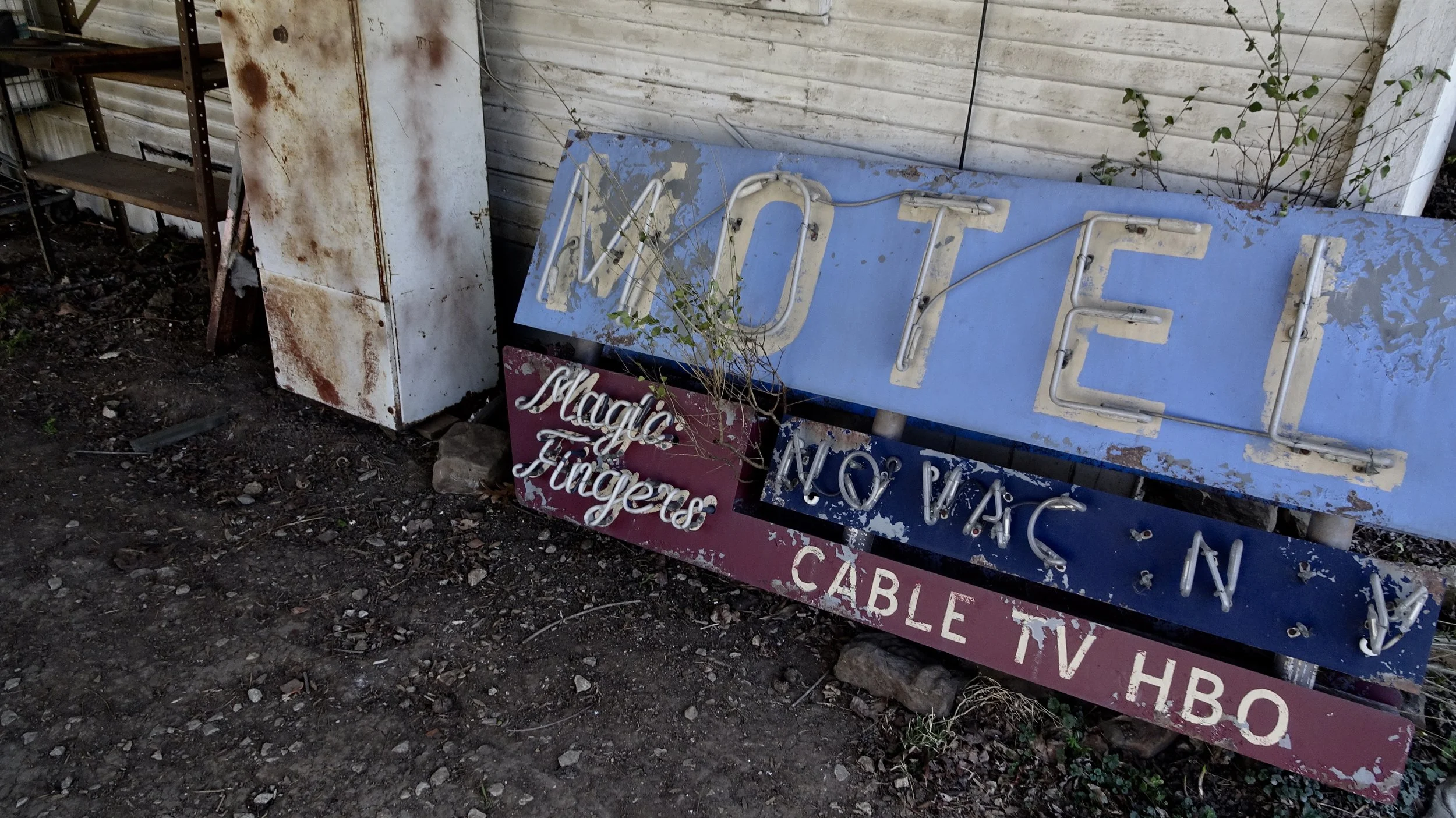
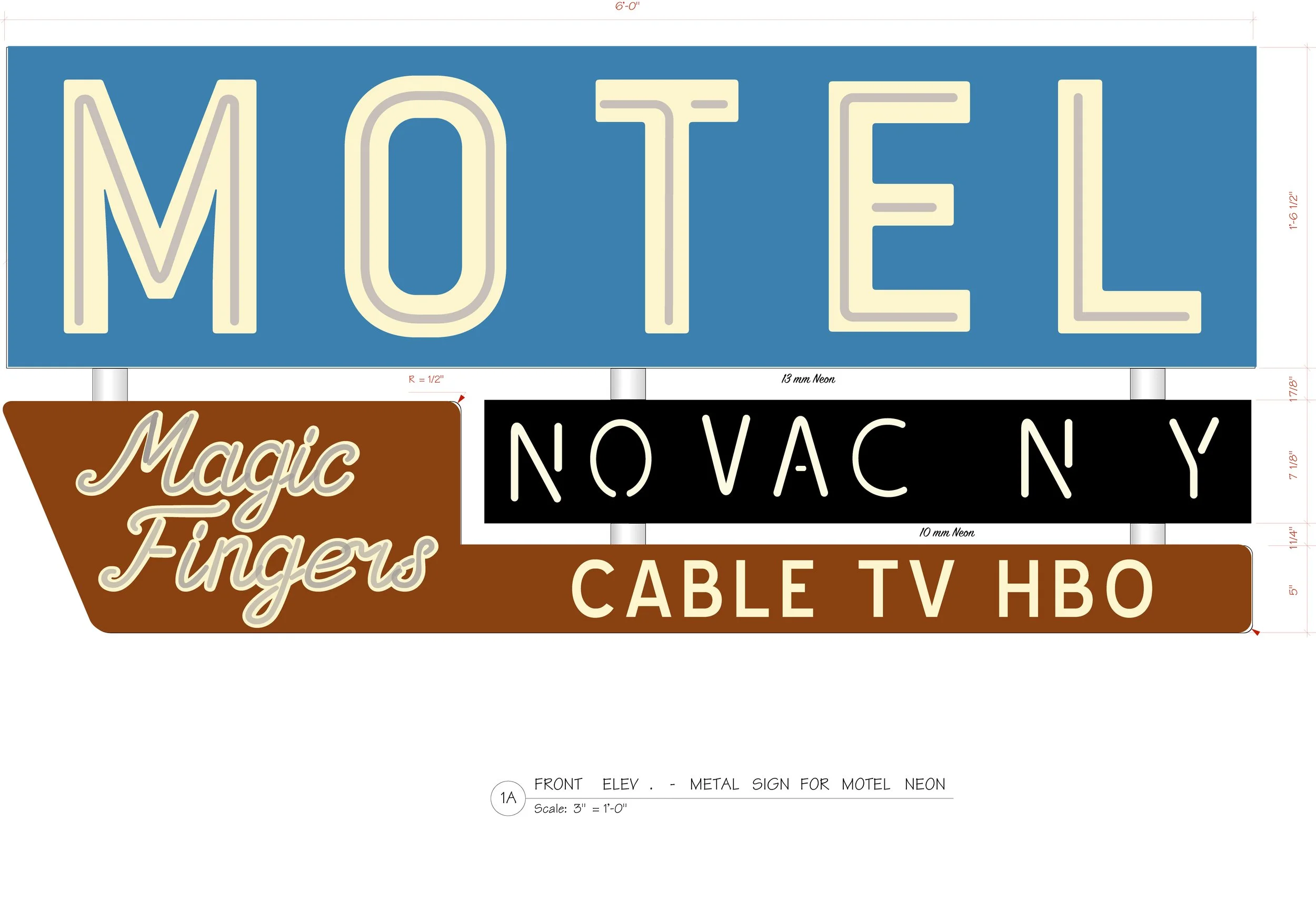
ATMOSPHERIC SET ELEMENTS: To build a convincing 'lived-in' reality, I developed environmental details that reinforced the narrative’s tone of decay and memory. This involved designing and overseeing the fabrication of neon signage and exterior branding for the story’s more marginal spaces. These elements were treated as narrative artifacts—objects that carry story weight despite their ordinariness.
All images copyrighted to respective right-holders. No unauthorized reproduction allowed.